

Loading cart...
1 / 4
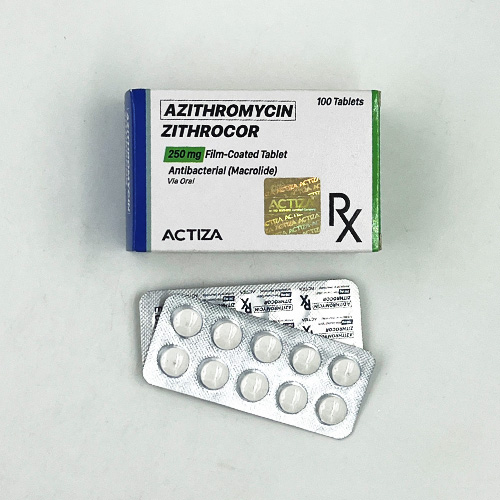
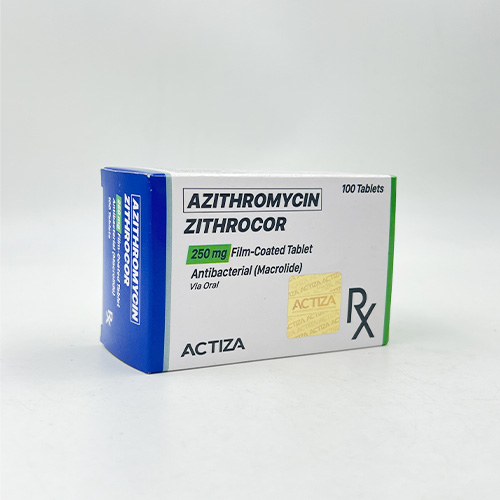
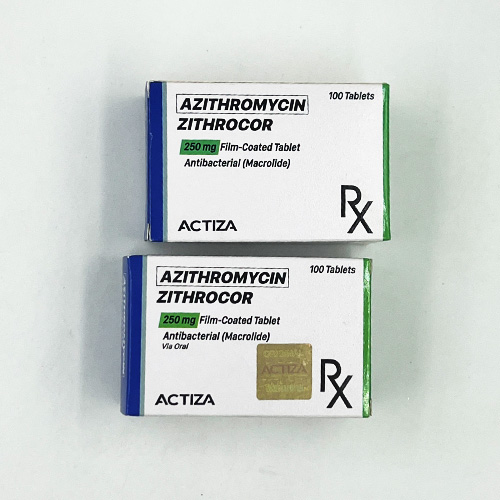
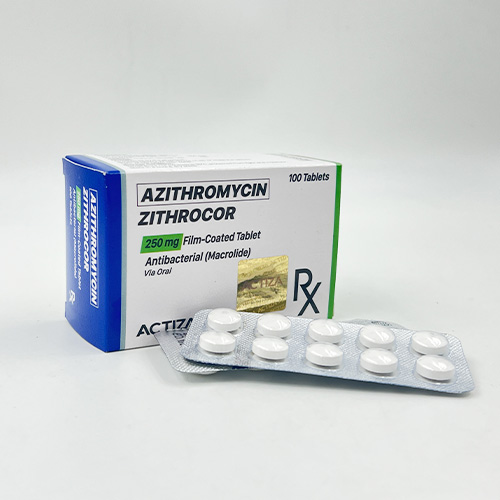
Zithrocor 250 Mg (Azithromycin)
Medically reviewed by Sanjay Gangani, B.Pharm, CMO & Pharmacist
| Active Ingredient | Azithromycin |
|---|---|
| Indication | bacterial infections |
| Manufacturer | Actiza Pharmaceutical |
| Strength:- | 250mg |
| Packaging | 10 tablets in 1 strip |
Zithrocor 250 Mg (Azithromycin) | ||||
|---|---|---|---|---|
| Pack Size | Price | Quantity | Add To Cart | |
| 100 Tablet/s | $62 | |||
| 200 Tablet/s | $115 | |||
| 300 Tablet/s | $149 | |||
What is Zithrocor 250mg?
Zithrocor 250mg is a tablet form of azithromycin, a macrolide antibiotic. It is used to treat bacterial infections. It does not work against colds, flu, COVID-19, or other viral illnesses. That point is very important. Antibiotics only work when bacteria are the cause of the illness. If they are used when not needed, they can stop working effectively over time due to antibiotic resistance.
Azithromycin is known for two main things. First, it covers a wide range of bacteria that cause throat, chest, skin, and some genital infections. Second, it stays in body tissues for a long time, so treatment courses are often short. This is one reason it is widely prescribed.
Two very serious warnings must be clear from the start. Azithromycin can cause QT prolongation and dangerous heart rhythm problems, including torsades de pointes. The risk is higher in people with existing QT prolongation, long QT syndrome, low potassium, low magnesium, slow heart rate, or use of other QT-prolonging drugs. Older adults are at higher risk.
Azithromycin can also cause serious liver injury. Some cases have led to liver failure and death. It must not be used in patients who have had cholestatic jaundice or liver dysfunction linked to earlier azithromycin use. If symptoms such as jaundice, dark urine, pale stools, unusual bleeding, or confusion appear, the medicine must be stopped, and urgent medical care is needed.

How Does Zithrocor Work? – Mechanism of Action
Step-by-Step Mechanism of Action
Azithromycin works by stopping bacteria from making proteins. Bacteria need proteins to grow, divide, and survive. Azithromycin binds to the 50S ribosomal subunit inside the bacterial cell. When that happens, the bacterial cell can no longer make proteins normally. This slows or stops bacterial growth. Over time, the infection is brought under control.
This mechanism is why azithromycin is useful in many common bacterial infections. It does not kill every bacterium in the same way, and it does not work against viruses. That is why the right diagnosis matters.
Why Azithromycin’s Long Half-Life is Unique:
Azithromycin has a long half-life. It also collects well in many tissues. This means it can remain active in the body after the last tablet is taken. Because of this, doctors often use short courses, such as 3- or 5-day regimens. That makes treatment easier for many patients and may improve adherence.
The long half-life is one of the reasons azithromycin is different from many older antibiotics. The drug stays where it is needed for a longer time. This can help maintain antibacterial activity between doses.
Antibacterial Spectrum:
Azithromycin covers many bacteria linked to respiratory, skin, and some genital infections. Because the spectrum is broad, azithromycin is useful in many outpatient settings. But broad use also means it must be used carefully to reduce resistance.
This includes organisms such as:
Who is the manufacturer of Zithrocor 250 mg?
Actiza Pharmaceutical Pvt. Ltd., with headquarters in Surat, Gujarat, is an Indian pharmaceutical firm that produces Zithrocor 250 mg or Zithrocor 500 mg. Actiza follows global quality standards, such as WHO-GMP and ISO 9001. The company makes a wide range of generic medicines, including antibiotics like Azithromycin.
Indications – FDA-Approved Uses
FDA-Approved Indications for Azithromycin 250mg (Adults):
Azithromycin tablets are FDA-approved for several bacterial infections in adults.
These include:
These uses are based on the bacteria involved, the place of infection, and how well azithromycin is expected to work. Doctors also consider local resistance patterns before they prescribe it.
Off-Label Uses (Commonly Prescribed – Evidence-Supported):
Doctors may also prescribe azithromycin off-label in some cases. This means the use is common and may have supporting evidence, but it is not among the main FDA-approved tablet indications listed on the label.
Off-label use should always be based on a doctor’s judgment. It should never be used as casual self-treatment.
Examples can include:
Zithrocor 250 mg Uses
Active ingredient
The active ingredient used here is Azithromycin (250 mg).
How does it work?
Zithrocor 250 mg, containing Azithromycin, works by targeting and blocking the bacterial ribosomes responsible for protein synthesis. It substantially holds together with the 50S subunit of the bacterial ribosome. This action prevents peptides from moving during translation.
By preventing the bacteria from producing proteins they require to grow and copy themselves, this action stops the illness from spreading.
Azithromycin helps the immune system fight bacteria by interfering with a key process. This makes it effective against many gram-positive and gram-negative organisms.
Statistical Data: Market Trends and Growth
Market Growth:
The global azithromycin market will grow at a CAGR of 4.6%. It’s expected to rise from USD 6.98 billion in 2024 to USD 10.71 billion by 2031.
Growing Demand:
The global need for Azithromycin remains high. This is due to rising bacterial reactions, sexually transmitted health issues, and respiratory tract infections.

Emerging Market Expansion:
The demand for antibiotics and the fast advancement of healthcare in Asia-Pacific, Latin America, and Africa are driving market expansion.
Generic Drug Dominance:
China and India produce the most affordable generic versions of Azithromycin, which helps to make it more widely available and affordable.
The graph shows global Azithromycin market growth from 2024 to 2031. From $6.98 billion in 2024 to $10.71 billion in 2031, the market is predicted to rise steadily.
The demand for Azithromycin is rising. This growth comes from its wide use in treating bacterial infections and improved healthcare access in emerging markets.
The steady growth rate shows a healthy market outlook. This is backed by medical needs and global pharmaceutical production.
Directions for the use of Zithrocare 250 MG
Dosage of Zithrocare 250 MG for different conditions
For adults: The recommended dosage is 500 mg taken one day for 4 days, with a 250 mg dose taken each day after that.
Children: Discuss with a pediatrician about the right dosage for them based on their weight.
Medical conditions or situations where Azithromycin should not be used
Common side effects of Zithrocor 250 mg
Contraindications
These are true contraindications. They should be checked before the first dose is given.
Zithrocor 250mg should not be used in patients with:
a history of cholestatic jaundice or hepatic dysfunction linked to earlier azithromycin
Drug Interactions
The most important interaction group is QT-prolonging drugs. Taking azithromycin with other medicines that prolong QT can increase the chance of a serious arrhythmia. This can include some antiarrhythmics, some antipsychotics, some antidepressants, and other drugs known to affect the QT interval. This risk is especially important in patients with pre-existing cardiac risk factors.
The main rule is simple: before prescribing azithromycin, the full list of medicines should be checked.
Other useful interaction points include:
Special considerations
There are a few important things that must be thought about before prescribing or taking Zithrocor 250 mg to make sure that the treatment is safe and helpful.
People with liver or kidney issues should be careful with this drug. Azithromycin degrades in the liver and is removed from the body via kidneys. People with a history of heart rhythm issues, like QT prolongation, should be closely monitored.
This is important due to the possibility of cardiac arrhythmias. People who are allergic to macrolide medicines should not take Zithrocor.
It can also interact with other medications. This includes antacids with aluminium or magnesium, blood thinners, and drugs that impact heart rhythm. Patients who are older or have myasthenia gravis also need extra care.
To keep the infection from coming back, it’s important to take the drug all the way through, even if your symptoms get better.
Safety Advice
Precautions
Antibiotic Resistance – Important Note
Antibiotic resistance is a major global problem. Zithrocor 250mg should be used only when there is a real need for an antibacterial medicine. It should not be used for viral illness. It should not be shared with others. It should not be stopped early without advice.
This kind of responsible use is called antibiotic stewardship. It protects the patient today and helps preserve the usefulness of antibiotics for the future. It also shows that the product page is medically responsible and built around safe care, not just sales language.
Storage & Handling
Store Zithrocor 250mg at room temperature in a dry place. Keep it away from excess heat and moisture. Keep the tablets in the original strip or pack until use. Keep them out of the reach of children. Do not use them after the expiry date. If the tablets look broken, wet, or discoloured, they should not be used.
Conclusion
One of the most effective antibiotics for treating a wide variety of bacterial infections is Azithromycin, which is found in Zithrocor 250 mg.
The effectiveness of the drug and the prevention of antibiotic resistance are both dependent on the patient’s adherence to the prescribed dosage and length of treatment. Seeking personalized medical advice from a medical professional is always recommended.
FAQ
Q1. What is Zithrocor 250 mg used for?
Ans:- Zithrocor 250 mg is an antibiotic used to treat various bacterial infections such as respiratory tract infections, skin infections, ear infections, and sexually transmitted diseases.
Q2. How should I take Zithrocor 250 mg?
Ans:- Take Zithrocor exactly as prescribed by your doctor. It is usually taken once daily, with or without food. Swallow the tablet whole with a glass of water.
Q3.What should I do if I miss a dose?
Ans:- Take the missed dose as soon as you remember. If it’s almost time for your next dose, skip the missed one. Do not double the dose to catch up.
Q4. Can I drink alcohol while taking Zithrocor?
Ans:- It’s best to avoid alcohol while taking Zithrocor, as it may increase the risk of side effects like stomach upset and dizziness.
Q5. Can I take Zithrocor with other medications?
Ans:- Some medicines may interact with azithromycin. Inform your doctor about all the medicines you’re taking, especially antacids, blood thinners, and other antibiotics.

B.Pharm, CMO & Pharmacist
Licensed pharmacist (B.Pharm) with 12+ years in clinical pharmacy and patient care. Reviews every article for evidence-based accuracy before it is published on ACTIZA Store.
Reviews
There are no reviews yet.