


Setting a weight loss goal sounds simple, but it is not. Most people start motivated, hit a wall, and quit. The reason is not willpower. It’s the goal itself.
Vague, unrealistic, or emotionally disconnected weight loss goals collapse under the pressure of daily life. But research shows something powerful: the right goal, set the right way, is the single biggest predictor of long-term success[1].
This guide walks you through exactly how to set weight loss goals with science-backed steps, a clinically validated framework, and the latest data on weight loss medicines approved through 2026.
Why Most Weight Loss Goals Fail
Most people don’t fail at weight loss because they lack discipline. They fail because their goals were never built to survive.
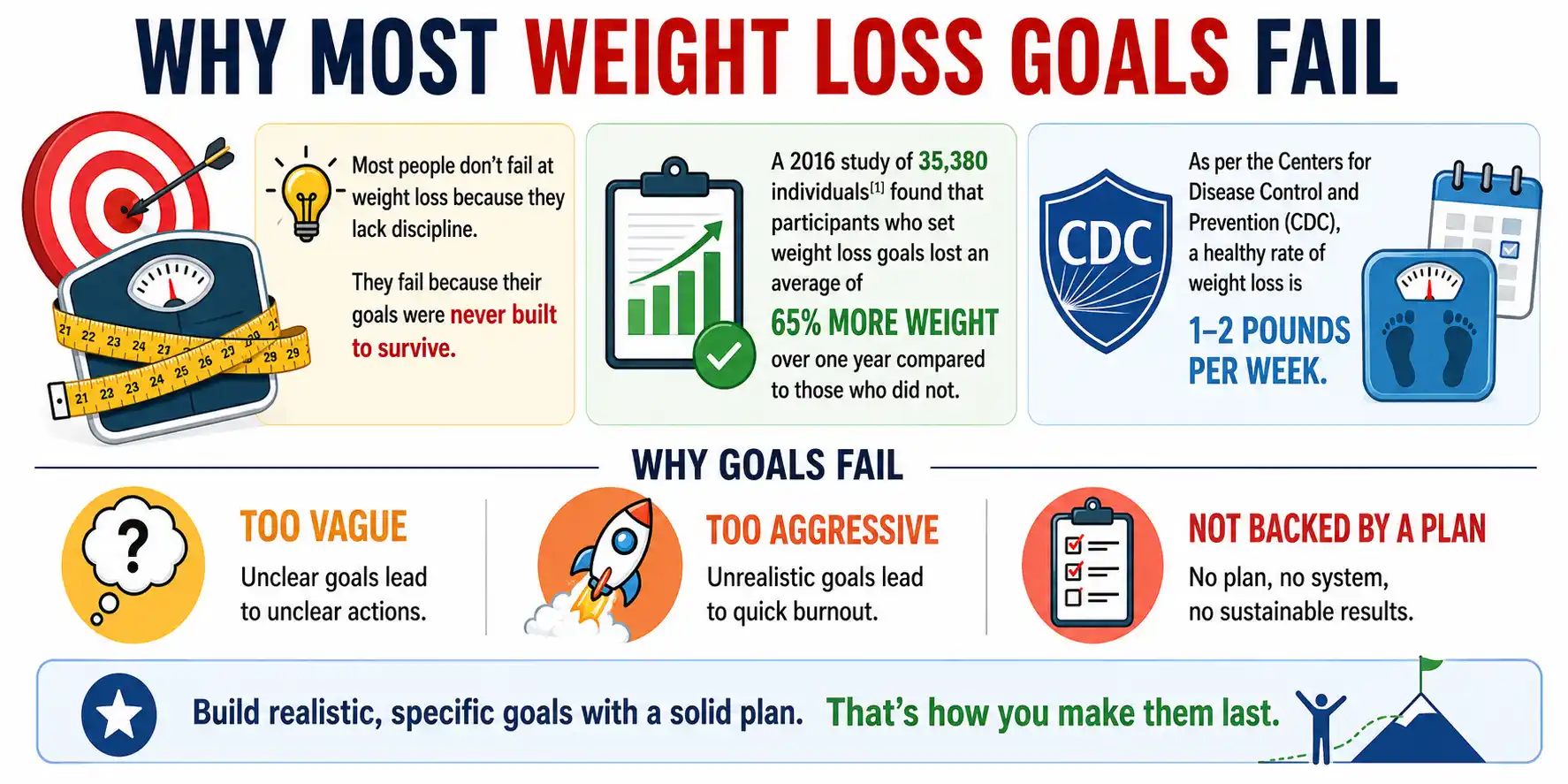
A 2016 study of 35,380 individuals[1] found that participants who set weight loss goals lost an average of 65% more weight over one year compared to those who did not.
As per the Centers for Disease Control and Prevention (CDC) , a healthy rate of weight loss is 1-2 pounds per week[2]. However, normally people set goals that are too vague, too aggressive, and not backed by a plan.
Why This Topic Matters for Global Health
The problem is real, the scale is global, and it starts with just one well-built goal.
Step-by-Step: How to Set Weight Loss Goals
Step 1: Start With Your ‘Why’: Find Your Real Motivation
Your plan must be based on your goal, what you are actually aiming to achieve. But wait! Before setting any number, understand why that number matters.
Why it works:
As per the reports published by Ro.co (2025)[5] and Healthline (2023)[6], intrinsic motivation is the real reason behind adherence.
Different research consistently shows that people who are motivated by health outcomes, energy levels, disease prevention, and improved mobility are far more likely to succeed than those driven by appearance.

To understand it better, let’s take the Example:
Lessons:
Write down three specific, personal health reasons for your weight loss journey. Return to them whenever motivation dips.
Now that we’ve anchored your motivation, let’s assess your clinical starting point.
Step 2: Calculate Your Starting Point (BMI + Healthy Target Weight)
Under this step, you have to find out a clinical baseline using Body Mass Index (BMI), calculated as: weight (kg) ÷ height (m²).
To classify the weight status, the CDC uses[7]:
| BMI Range | Classification |
|---|---|
| Below 18.5 | Underweight |
| 18.5 – 24.9 | Normal weight |
| 25.0 – 29.9 | Overweight |
| 30.0 and above | Obese |
Weight loss medicines are typically prescribed for BMI ≥ 30, or BMI ≥ 27[4] with a weight-related condition (type 2 diabetes, hypertension, sleep apnea).
A 5-10% reduction[8] in starting body weight is clinically meaningful and proven to lower blood pressure, improve blood sugar control, and reduce cardiovascular risk.
To understand it better, let’s take the Example:
Weigh 90 kg? A 5-10% weight loss goal = losing 4.5-9 kg. Setting up this goal is achievable and medically significant.
Lessons:
Use the CDC BMI calculator. Set your first weight loss target between five and ten per cent of your current weight.
With your baseline weight, now it is time to set a specific, measurable, achievable, realistic, and time-based goal.
Step 3: Set a SMART Weight Loss Goal
Now, it is time to understand what SMART stands for. It is Specific, Measurable, Achievable, Relevant, and Time-Bound. Research shows that using a SMART framework promotes successful weight loss. The Withings (2024) report states that using a SMART framework provides a more effective approach for setting realistic weight loss goals.
| SMART Letter | What It Means | Poor Goal | SMART Goal |
|---|---|---|---|
| S – Specific | Describes an exact goal | I want to lose weight | I want to lose 4 kg by eating less and by walking each day |
| M – Measurable | Can be measured | I want to exercise more | I will walk 10,000 steps, 5 days a week |
| A – Achievable | Can be done in a reasonable time | I will lose 10 kg in 1 month | I will lose 1-2 pounds per week for 8 weeks |
| R – Relevant | Connected to your ‘why’ | I want to look thinner | I want to lower my blood pressure and have more energy |
| T – Time-Bound | Has a time frame | I want to lose weight someday | In 10 weeks, I will reach my goal and I will have done it by (specific date) |
An example of a SMART goal is: “In 8 weeks, I will lose 4 kg by walking 10,000 steps 5 days a week, and I will lower my daily calories by 500 calories.”
Make it happen: Write your goal using SMART and put it where you will see it, like on your bathroom mirror, on your screen lock, or on the fridge.
Now that we have added a SMART weight-loss goal, we need to identify barriers to strengthen it and ensure it becomes a permanent change.
Step 4: Set Process Goals (Not Just Outcome Goals)
It is important to decide your health goal actions based on your behaviour-based daily routines, not on the basis of any scale.
Why it works: Outcome goals (lose 5 kg) depend on biology. Process goals (walk 30 minutes daily) are 100% within your control. Weight loss goals must be based on behaviour and drive more consistent results than using any other scale-oriented approach.
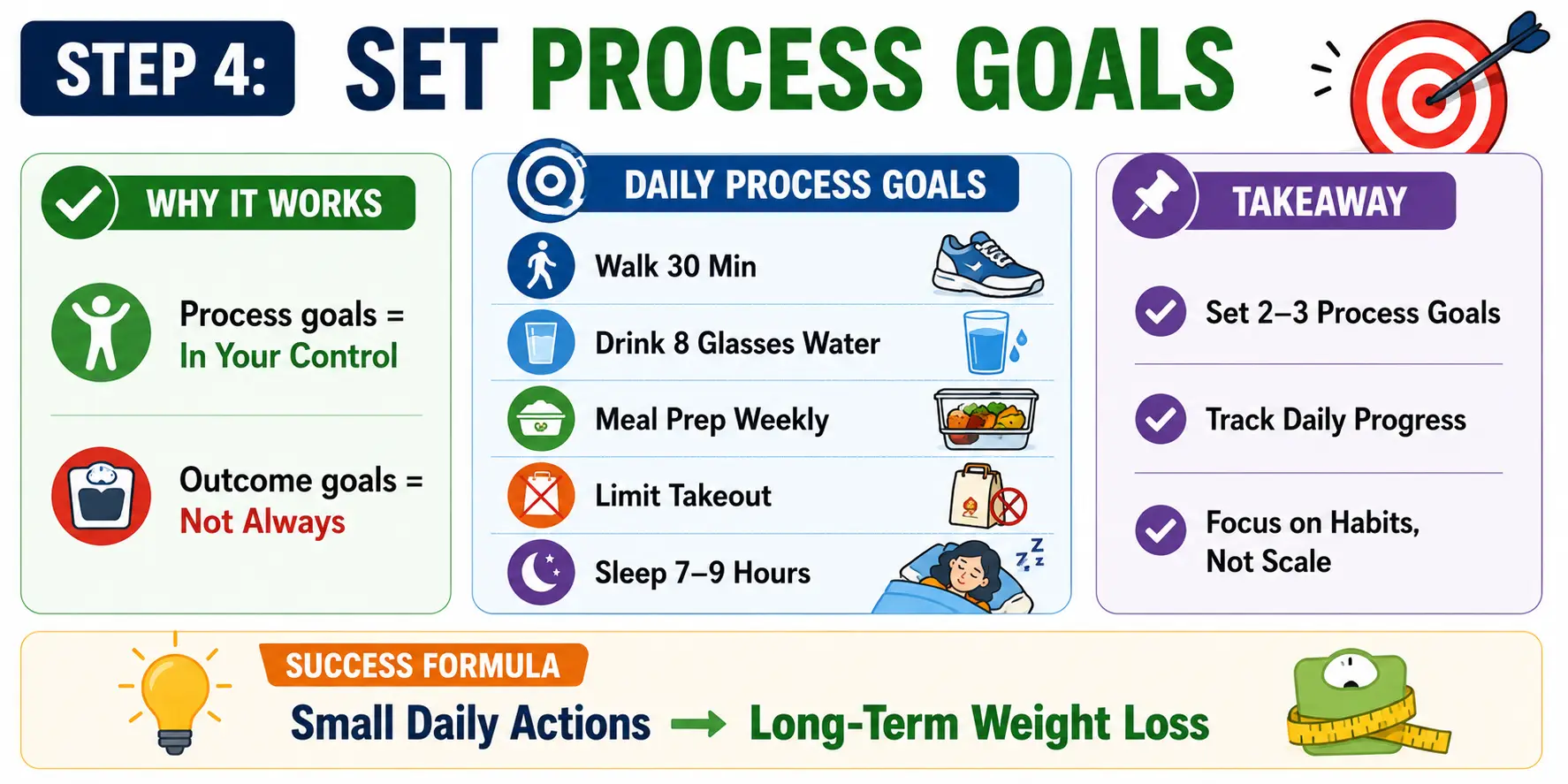
Goals for the process are:
Takeaway: For better results, set two to three process goals in addition to the outcome goal. These targets should be checked on a daily basis.
Now, you have understood what outcome goals and process goals are. It is time to move on to setting appropriate calorie goals and timelines.
Step 5: Set a Realistic Timeline and Calorie Target
If a person targets decreasing their calorie count by 500-1000 calories per day, this can help in achieving weight loss that leads to 1 to 2 pounds a week[2]. This helps in retaining most of the muscle mass and prevents a decrease in metabolism.
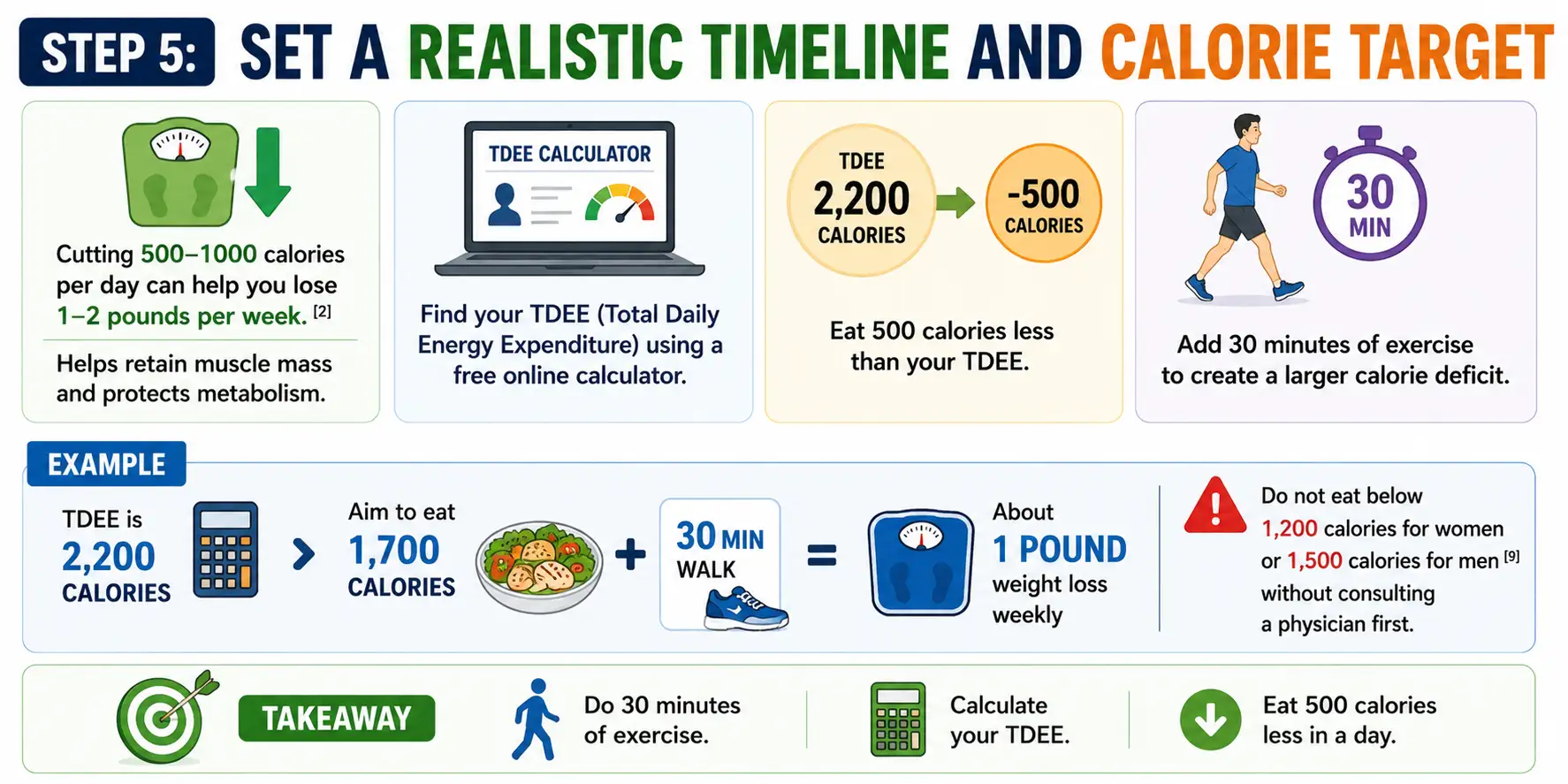
Let’s simplify it with an example:
Suppose your TDEE is 2,200 calories; you should aspire to consume 1,700 calories, in addition to a 30-minute walk, for a weight loss of about 1 pound weekly. Do not eat below 1,200 calories for women or 1,500 calories for men[9] without consulting a physician first.
Takeaway: Perform 30 minutes of exercise, calculate your TDEE, and aim to eat 500 calories less in a day.
Step 6: Write Down Your Goals and Track Progress
People who keep their goals written down tend to be much more successful. According to Dr. Gail Matthews, a psychology professor at the Dominican University of California, writing something down makes our brains encode that piece of information.
Therefore, goals have a sense of urgency when written down, rather than just being ephemeral thoughts. “My Nutrition Design” (2026) cites a study that shows a positive correlation between writing weight loss goals in a SMART format and adherence to those goals.
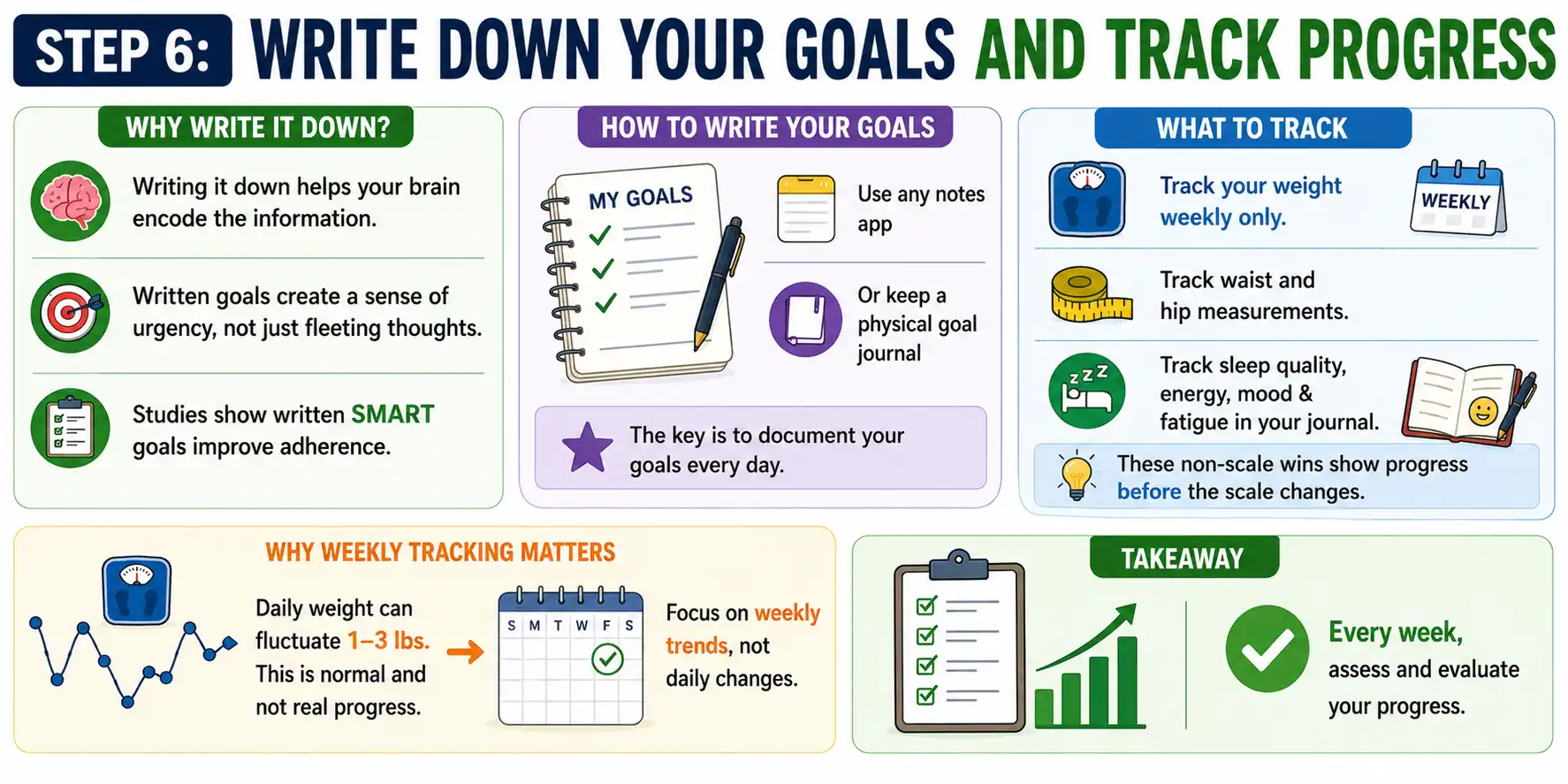
Takeaway: Every week, you should assess and evaluate your progress.
Step 7: Build Accountability Into Your Plan
Having an accountability partner helps you to lose weight and stick to your weight loss goals in the long term. This can be attributed to the goal partner effect.
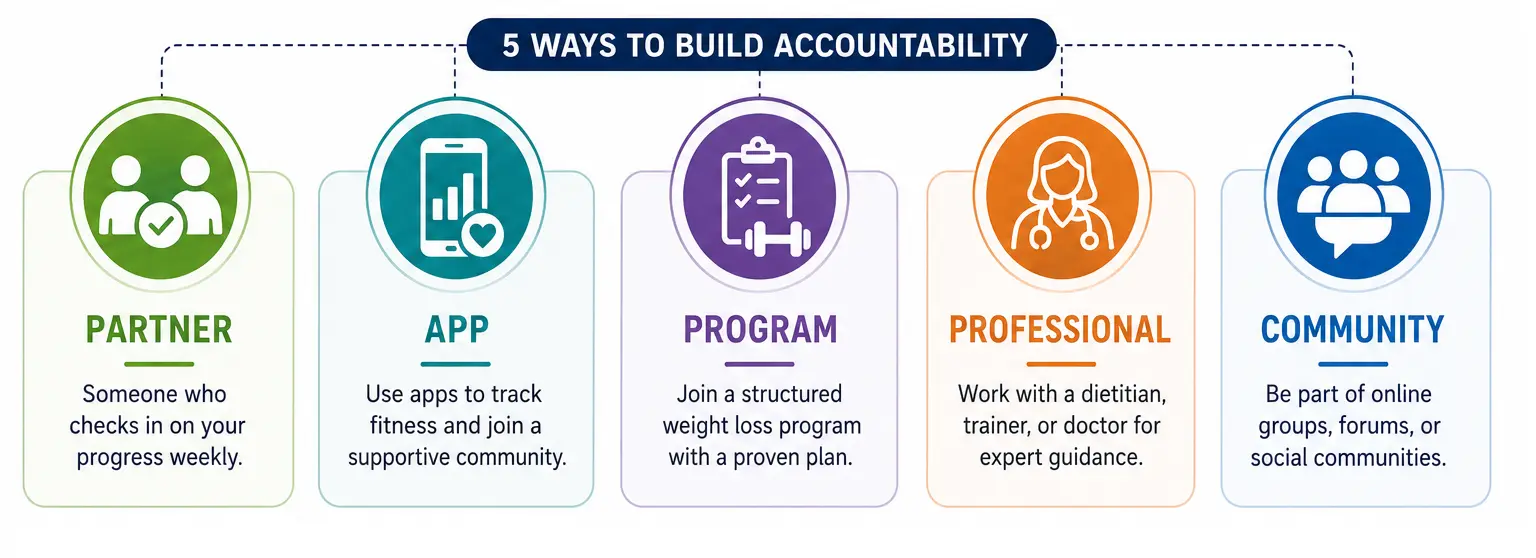
Here are some ideas to implement accountability into your plan:
If you have worked alone for 3-6 months and have not made progress, make an appointment with a doctor to see if you need medication like semaglutide, tirzepatide, or orforglipton (Foundayo) for weight loss.
Takeaway: Implement one idea to add accountability to your weight loss plan this week.
Micro-Summary (Steps 1-7): The first step is to identify your personal “why.” This gives a motivation to lose weight. The second step is to calculate your BMI in order to set a baseline.
All the following steps pertain to the SMART goal framework. These steps include: identifying daily process behaviors that contribute to a healthy weight, forming a manageable calorie deficit, tracking your daily food intake, and lastly, utilizing accountability. The first seven steps in this plan are proven to be effective for weight loss.
SMART Goal Framework – Detailed Breakdown
When it comes to weight loss goals, the SMART goal framework is the most effective approach to turning research into a plan.
| SMART Letter | What It Means | Poor Goal | SMART Goal |
|---|---|---|---|
| S – Specific | Details who, what, when, where, and how | “I want to lose weight.” | “I will lose 4 kg by walking daily and reducing calories.” |
| M – Measurable | Has measurable milestones | “I want to exercise more.” | “I will walk 10,000 steps, 5 days a week.” |
| A – Achievable | Possible considering current conditions | “I will lose 10 kg in 1 month.” | “I will lose 1-2 pounds per week for 8 weeks.” |
| R – Relevant | Has to do with personal health | “I want to look thinner.” | “I want to lower my blood pressure and feel more energetic.” |
| T – Time-Bound | Has a specific time by which it will be accomplished | “I want to lose weight sometime.” | “I want to reach my goal in 10 weeks.” |
SMART Weight Loss Goal:
“I want to lose 4 kg in the next 10 weeks by walking 10,000 steps, 5 days a week, and by reducing my calories by 500 per day, and by prepping my lunches for the week on Sundays. I will weigh myself on Mondays, and I will do a progress check on the 5th week.”
Since the SMART weight loss goal framework is finalized, let’s examine the daily strategies related to diet, exercise, and lifestyle that will help you reach your goal.
Medical Support – Weight Loss Medicines (2024-2025)
Weight loss medicines are an appropriate option for people who struggle with weight-loss goals and have tried lifestyle changes that are unsuccessful. The class of medicines known as GLP-1 receptor agonists have revolutionised the treatment of obesity on a world stage.
GLP-1 Receptor Agonists (Newest & Most Effective)
GLP-1 medicines mimic a gut hormone that suppresses appetite, slows gastric emptying, and regulates blood sugar. Clinical trial results are unprecedented.
| Medicine | Route | Key Clinical Data | Status |
|---|---|---|---|
| Noveltreat 2.4 mg Pre-filled Pen (Semaglutide) | Weekly injection | STEP-1 trial: 14.9% weight loss over 68 weeks[12] | FDA-approved; CV risk reduction (Mar 2024); MASH (Aug 2025) |
| Tirzepatide (Zepbound) 5/10/15 mg | Weekly injection | SURMOUNT-1: 15-20.9% weight loss; 56% lost ≥20% body weight; superior to semaglutide (20.2% vs semaglutide)[13] | FDA-approved |
| Orforglipron (Foundayo) | Once-daily oral | NEJM 2025; taken any time, with or without food | FDA-approved April 2026 |
| Semaglutide oral (Wegovy oral) | Oral tablet | First oral GLP-1 for weight loss | FDA-approved Dec 2025 |
| Liraglutide (Saxenda) 3.0 mg | Daily injection | Older GLP-1; generic approved Dec 2024 | FDA-approved |
Older/Traditional Weight Loss Medicines
See the full list at Drugs.com – FDA-Approved Weight Loss Drugs[14].
Who Qualifies for Weight Loss Medicines?
As Per the Obesity Medicine Association (2025)[4]:
Patients are generally considered eligible for prescription weight-loss medications if they have a body mass index (BMI) of 30 or higher (obesity), or a BMI of 27 or higher when accompanied by a weight-related medical condition such as type 2 diabetes, hypertension, dyslipidemia, or sleep apnea.
These medications are intended to be used alongside a reduced-calorie diet and a regular exercise program to support sustainable weight loss.
Ongoing physician supervision is required to monitor safety, effectiveness, and overall health outcomes, as weight-loss medications are not designed to be used as standalone treatments.
Micro-Summary (Medicines): GLP-1 receptor agonists semaglutide, tirzepatide, and the newly approved oral orforglipron (Foundayo) represent the most clinically advanced obesity treatment medicines available. Eligibility is based on BMI and comorbidities, always under physician supervision.
When Progress Stalls – Dealing With Plateaus
A weight loss plateau is completely normal. A loss of weight means a loss of total daily energy expenditure (TDEE). A 90 kg person has a different calorie deficit than an 80 kg person. A plateau is just biology at work.
Don’t reduce calories just because of a 2-3 week plateau. Your body needs time to adjust to changes. Reducing calories will result in muscle loss and a rebound in weight.
After 3-6 months of a plateau, seek medical help. Chronic poor sleep and thyroid or hormone issues will prevent weight loss and require medical help. Once addressed, but still under the 3-6 month plateau, ask your doctor about semaglutide7 mg or tirzepatide (Zepbound) for weight loss.
Takeaway: If the plateau is longer than 3-6 months, the answer is more likely to be clinical than motivational.
Diet, Exercise & Lifestyle Strategies
Diet Strategies for Weight Loss Goals
Diet Strategies
There are plenty of recommendations for sustainably losing weight.
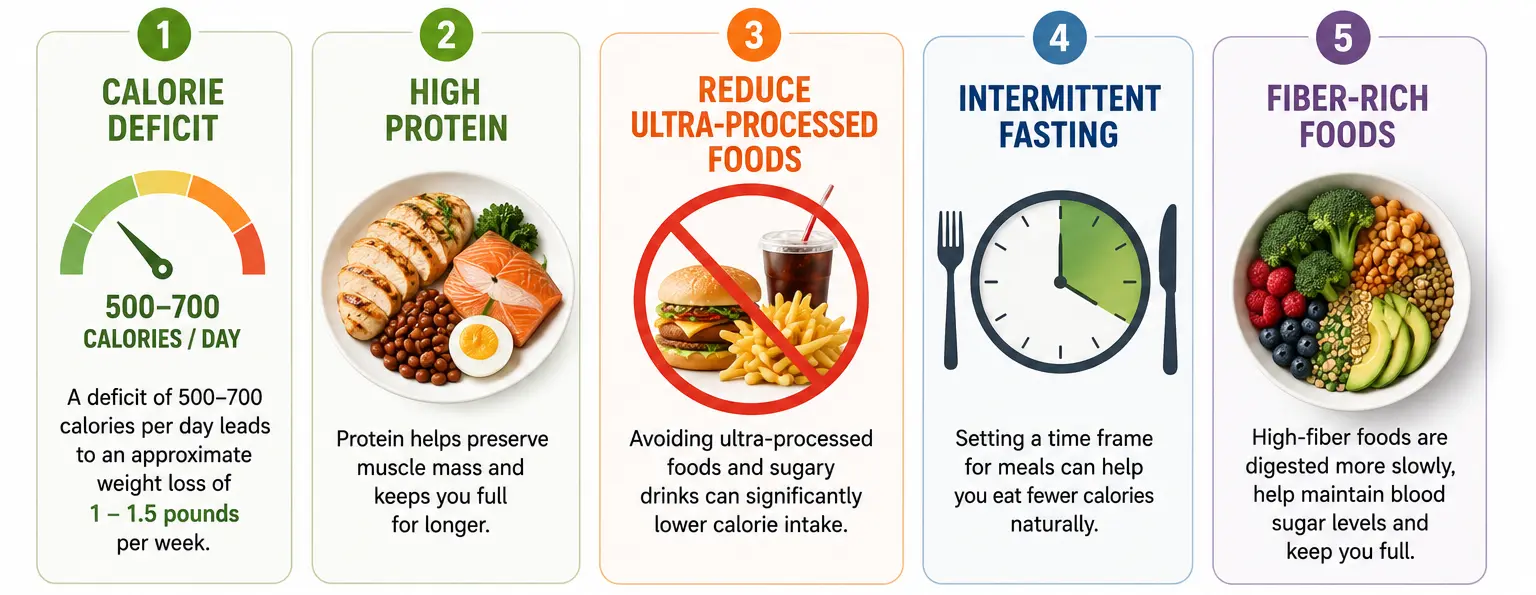
Here are a few of the most popular options:
Exercise Strategies
It is recommended that 150+ minutes of moderate physical activity[11] per week for effective weight management.
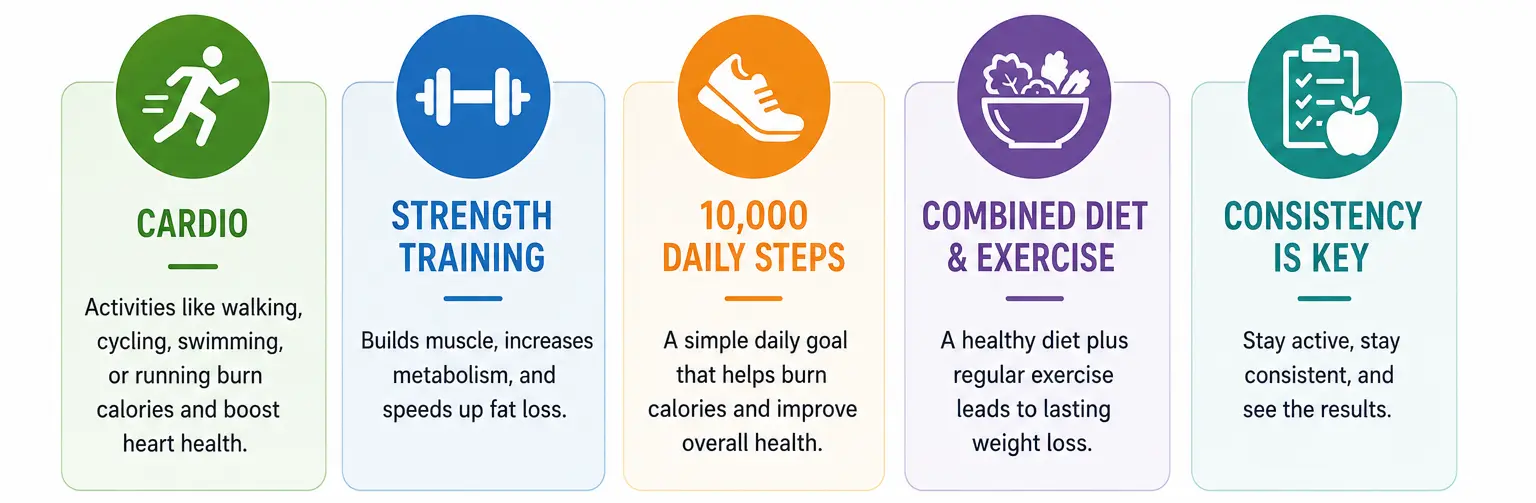
Behavioral & Psychological Strategies
There are 4 practices in particular that we need to discuss: sleep, stress management, eating habits, and CBT.
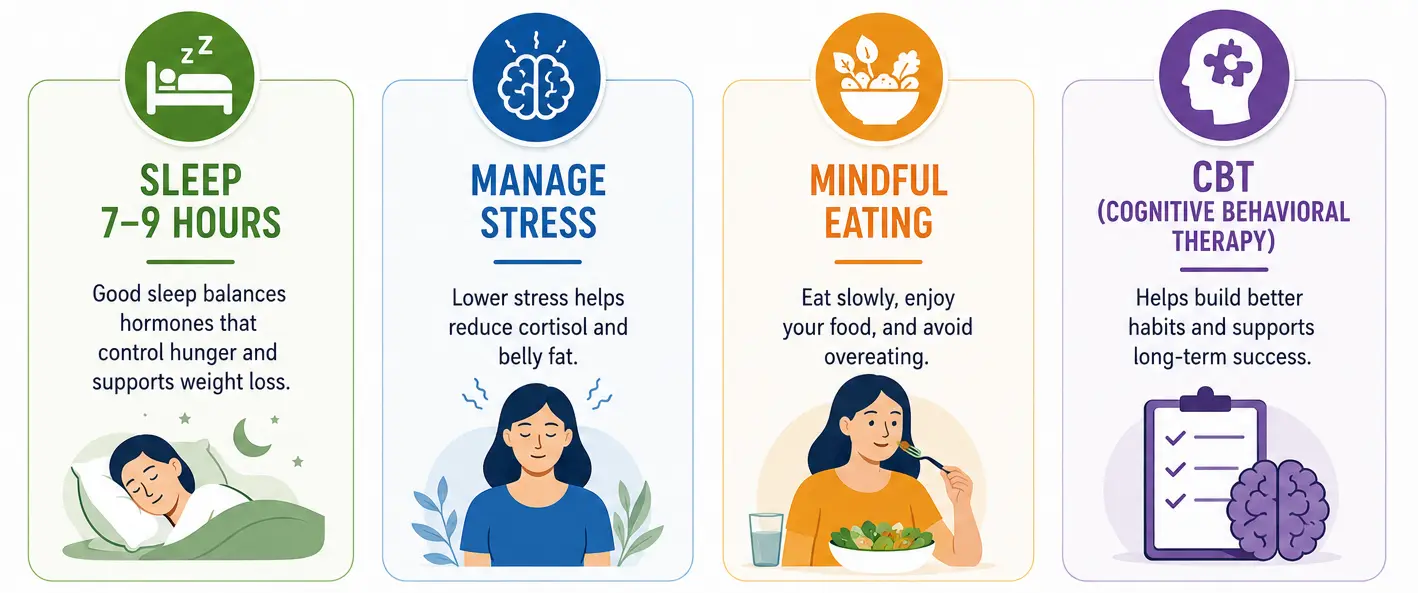
While these 4 practices are imperative to a foundation of healthy weight loss, medical support can help with faster, more considerable improvements.
Expert Conclusion – Your Action Plan Starts Today
Setting weight loss goals is not about extreme willpower. It’s about building a plan with the right architecture a personal ‘why,’ a clinical baseline, a SMART goal, daily process behaviors, and the right support system.
Your 7-step action plan:
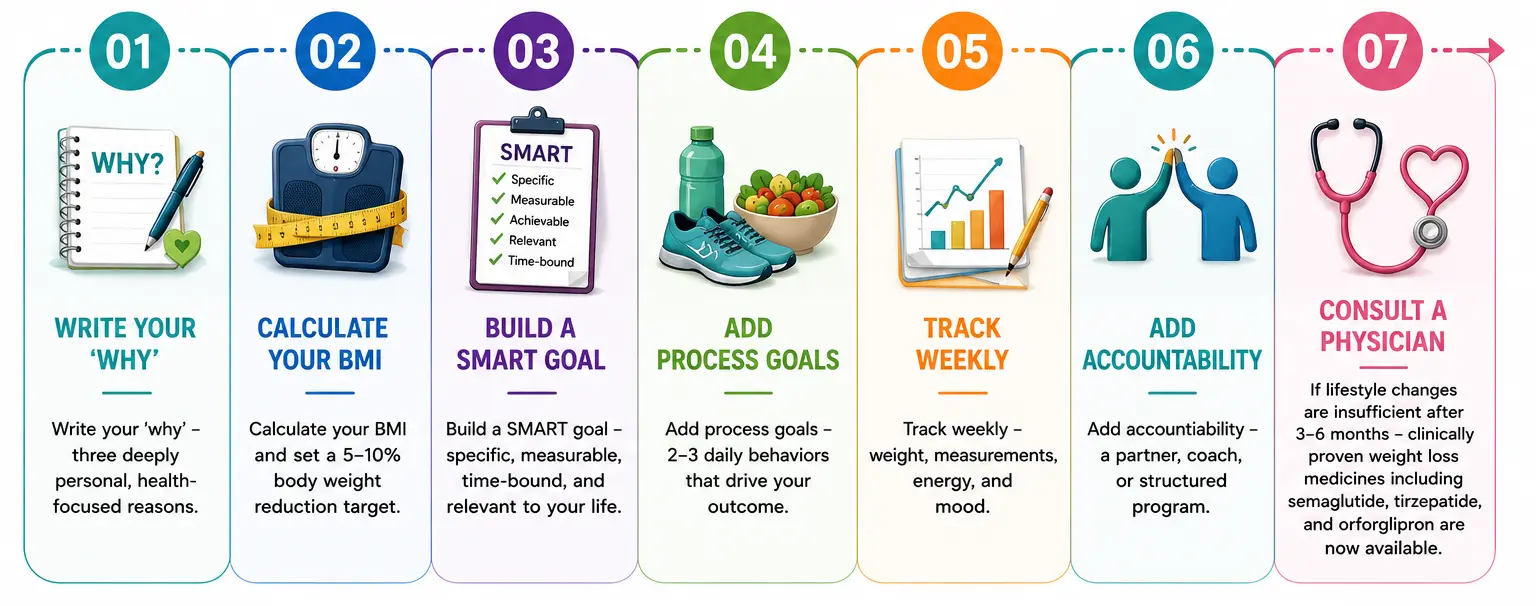
The WHO has identified obesity as one of the most pressing global health challenges. The tools to address it are behavioral, nutritional, and medical.
Frequently Asked Questions
Q1:- How much weight loss per week is healthy?
Ans:- As per the recommendations, 1-2 pounds (0.5-1 kg) loss per week[2] is optimal. This is a good rate because it’s more likely to be maintained long-term without muscle loss and metabolic slowdown. Going beyond the recommended weight loss amounts is likely to result in muscle loss, deficiency, and weight gain.
Q2:- What is a realistic weight loss goal for 3 months?
Ans:- A good goal to achieve in a 3-month period is losing between 8-12 pounds (or 4-6 kg) with the aid of a continued exercise regimen combined with 500 calorie deficits each day. Those who are using a medically assisted program with GLP-1 weight loss medicines may lose additional weight. However, the 8-12 lb. range allows for a focus on sustainable lifestyle change.
Q3:- How do I set a SMART weight loss goal?
Ans:- SMART weight loss goals are Specific, Measurable, Achievable, Relevant, and Time-Bound. An example is, “I will lose four kilos in eight weeks by walking 10,000 steps five times a week and reducing my meals by 500 calories.” It is said that gradual, consistent caloric deficits paired with behavioral change produce the strongest long-term results.
Q4:- Should I focus on losing weight fast or slow?
Ans:- It is better to lose weight gradually rather than quickly. Though the process is longer, maintaining a steady weight loss of half to one kilogram per week is less likely to negatively impact a person’s metabolism and will help a person maintain their healthier habits and weight in the long run.
Q5:- What is the best medicine for weight loss in 2025-2026?
Ans:- Tirzepatide (Zepbound) produces the most substantial average weight loss, nearly 20.9% of body weight in SURMOUNT-1[15], surpassing even semaglutide (Wegovy) in the direct comparison. The oral GLP-1 agonist orforglipron (Foundayo) was approved by the FDA[16] and is another new option that allows daily oral administration. Always speak with a physician for individualized advice concerning the use of weight loss medications.
Q6:- Can you lose weight without exercise?
Ans:- Yes. Effective weight loss strategies involve creating a calorie deficit, which can be done through food consumption changes. Preserving muscle mass and even improving muscle fitness and metabolism increases the chances of successfully maintaining weight loss over the long term and can be done through exercise.
Q7:- How do I stop giving up on my weight loss goals?
Ans:- People most often quit because their goals are not SMART. They are either too vague, too difficult, or do not connect to their emotions. To fix this, reconnect with your ‘why’ (Step 1), change to process goals (Step 4), add an accountability partner (Step 7), and change your mindset to accepting plateaus as normal.
Q8:- What happens when I hit a weight loss plateau?
Ans:- A weight loss plateau happens when you struggle to lose weight, despite doing everything the same as you were before. Plateaus are a normal body reaction to losing weight. To counter a plateau, review the amount of calories you consume, the level of physical activity you do, your protein intake, and your sleep. Staying constant, most plateaus resolve with time.
Q9:- Is it safe to take weight loss medicines?
Ans:- FDA-approved weight loss medicines are safe and effective under physician supervision. Nausea is a common initial side effect of GLP-1 medication[17], but it is likely to dissipate. These medicines also need to be combined with dietary and lifestyle changes and have other contraindications.
Q10:- How does BMI affect weight loss goal setting?
Ans:- BMI helps assess your clinical starting point and your eligibility for weight loss medicines. Most weight loss medicines are prescribed when BMI = 30 or above. When BMI = 27 but has weight-induced complications, medicines can still be prescribed. Using the CDC BMI Calculator can help you classify your BMI and set weight loss goals that are attainable and health-based.
Start with one SMART goal. Start today.
- https://www.healthline.com/health/weight-loss/setting-weight-loss-goals
- https://www.cdc.gov/healthy-weight-growth/losing-weight/index.html
- https://www.who.int/news-room/fact-sheets/detail/obesity-and-overweight
- https://obesitymedicine.org/blog/weight-loss-medications/
- https://ro.co/weight-loss/smart-goals-weight-loss/
- https://www.healthline.com/health/weight-loss/setting-weight-loss-goals
- https://www.cdc.gov/bmi/adult-calculator/bmi-categories.html
- https://pubmed.ncbi.nlm.nih.gov/27528523/
- https://www.health.harvard.edu/healthy-aging-and-longevity/calorie-counting-made-easy
- https://www.withings.com/eu/en/health-insights/about-weight-goals
- https://www.cdc.gov/healthy-weight-growth/about/index.html
- https://www.nejm.org/doi/full/10.1056/NEJMoa2032183
- https://www.nejm.org/doi/full/10.1056/NEJMoa2206038
- https://www.drugs.com/article/fda-approved-weight-loss-drugs.html
- https://glp3planner.com/resources/zepbound-weight-loss-results
- https://www.fda.gov/news-events/press-announcements/fda-approves-first-new-molecular-entity-under-national-priority-voucher-program
- https://my.clevelandclinic.org/health/treatments/weight-loss-medications