


What Is Hormonal Imbalance?
Hormones are basically chemical messengers made by the endocrine glands. They play a key role in our bodies. They handle metabolism, mood, sleep, growth, and reproduction. Basically, they help control all these functions in the body.

Even small hormone changes can have a big impact on the body. Nearly 80% of women experience hormonal irregularities. Over 25% of men over 30 worldwide have them too.
These hormones are really important. They help our bodies function well. When levels are too high, symptoms can appear. These can be physical or emotional. The same happens when levels are too low.

These include:
If you ignore this imbalance, it can lead to problems. You might feel tired or notice weight changes. Mood swings and poor sleep can occur. Low energy and fertility issues may follow. Long-term health issues can also happen.
How Buyers/Patients Recognize It
Hormonal imbalances can sometimes be difficult to notice. Their symptoms may seem similar to those of everyday health concerns.
This slows down getting a diagnosis and the right treatment. Patients worldwide struggle to access the hormone medicine they need.
Symptom → Hormone Link Table:
| Symptom | Likely Hormone Affected |
|---|---|
| Fatigue, brain fog | Cortisol, Thyroid |
| Weight gain/loss | Insulin, Thyroid |
| Mood swings, anxiety | Estrogen, Progesterone, Cortisol |
| Irregular periods, PCOS | Estrogen, LH, FSH |
| Hair loss, acne | Androgens (DHT, Testosterone) |
| Low libido (men) | Testosterone |
| Hot flashes, night sweats | Estrogen (Menopause) |
Symptom Likely Hormone Affected
| Hormone | Medicine |
|---|---|
| Estrogen Imbalance | mood stabilizers and hormone replacement therapies |
| Insulin Resistance | Antidiabetic medicines and Glucose Regulators |
| Thyroid Deficiency | Levothyroxine and Thyroid hormone medications |
| Cortisol Imbalance | Adrenal support and Cortisol-Regilating treatments |
| Progesterone Deficiency | Progesterone based hormonal balancing medicines |
Hormone → medicine Table:
Hormonal imbalance symptoms can differ based on the hormones that are affected. Each hormone can bring about a unique set of signs.
An accurate diagnosis is key to finding the right treatments. This can include options like hormone replacement. It also covers insulin regulators, thyroid meds, and managing cortisol levels.
How Is Hormonal Imbalance Diagnosed?
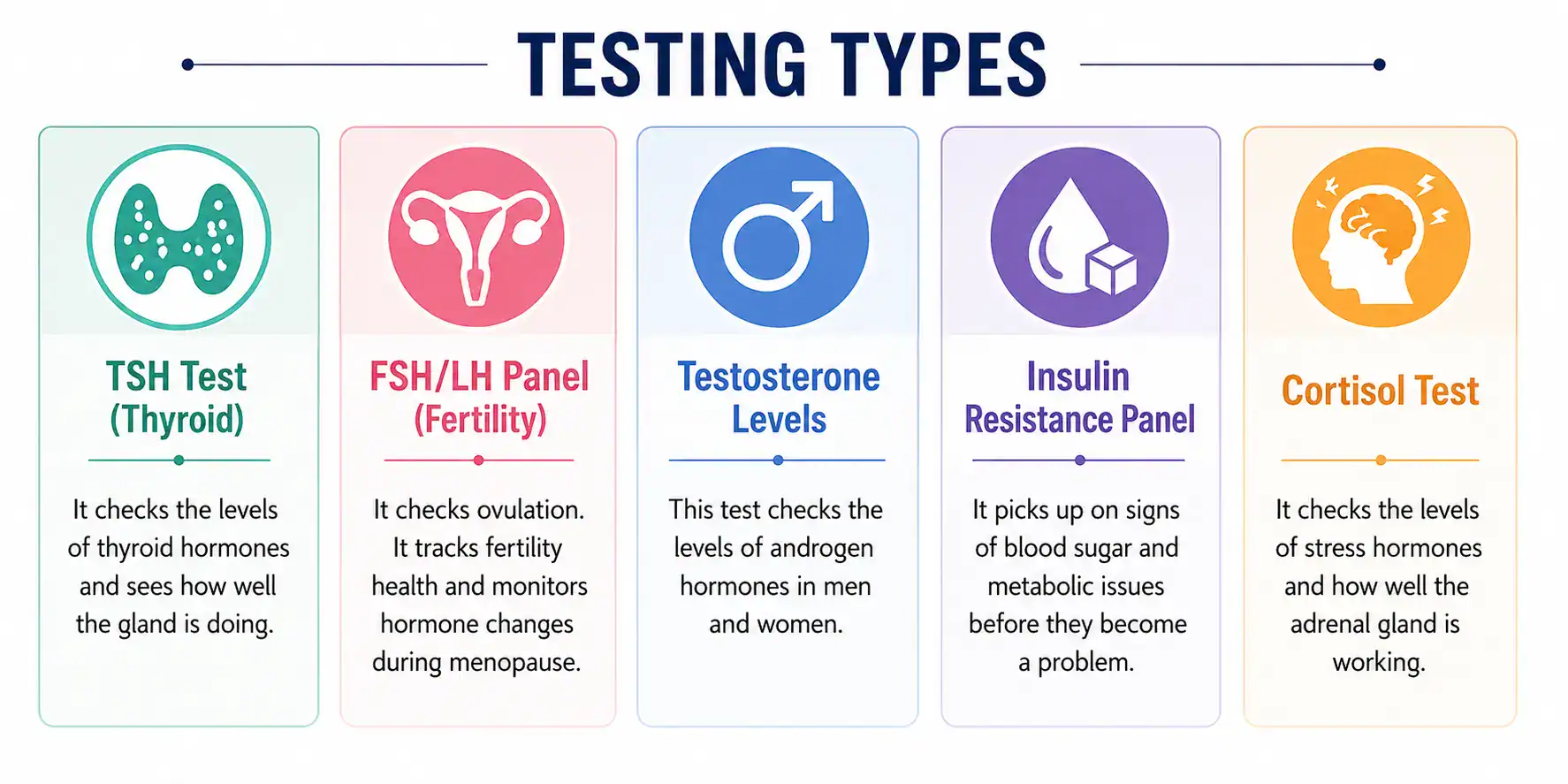
Hormonal imbalance is diagnosed in a few ways. First, doctors check for symptoms. Then, they examine the body and test hormone levels.
In 2025, doctors will use AI analysis and genetic testing. This helps them plan treatments and choose the right medicines for each patient.

Doctors start by looking over a patient’s medical history. They look for changes in the menstrual cycle. They also check sleep, weight, fertility, mood, and energy. They do physical exams, pelvic exams, and ultrasounds to check for hormone imbalance.
Hormone testing is typically done using blood, saliva, or urine samples. This allows for an accurate measurement of hormone levels.
In 2025, new methods will use AI analysis and genetic testing. This will help create tailored treatments. They’ll also help manage the purchasing of medicines.
Testing Types
Medical Treatments – Medicines & Drug Categories
A. Hormone Replacement Therapy (HRT)
Hormone Replacement Therapy (HRT) is a great way to raise hormone levels. It can really help during menopause, perimenopause, and when there is a hormone deficiency.
It often takes the place of estrogen and progesterone. It’s also prescribed for some men and for transgender patients.
Different dosage forms are important for long-term treatment. They make therapy more personal. They also support drug procurement worldwide.
Uses, Forms, And Hormone Medicines

Used For:
It is available in different forms:
Hormone Replacement Medicines include:
B. Thyroid
Thyroid medicines can help balance out hormone problems. They’re used to treat underactive and overactive thyroids. This helps get your hormones back on track.
They boost metabolism and help maintain steady energy levels. They also help with long-term endocrine treatment. Many people take thyroid treatments by mouth. For the best hormone control, it’s helpful to stick to a regular dosing routine.

Used For:
C. Insulin Sensitizers (PCOS / Diabetes-related)
Insulin sensitizers are helpful in improving how the body uses insulin. They also help with hormone and metabolism issues. This makes them very useful.
For PCOS, these medicines are often the go-to treatment. They help address insulin resistance and Type 2 diabetes.
These two conditions are pretty closely linked to hormonal imbalance. They help cut down on extra androgen production and also support ovulation. On top of that, they boost long-term metabolic health.

Used For:
D. Fertility Drugs
Fertility drugs can be a big help with ovulation. They’re used in reproductive medicine to back up pregnancy treatments, too.
These drugs are pretty common in this field and can make a real difference. These medicines support natural conception and procedures like IUI and IVF.
Medicines for ovulation and hormone injections help follicles in the ovaries grow. They also help egg development. This is a big plus for fertility treatments.
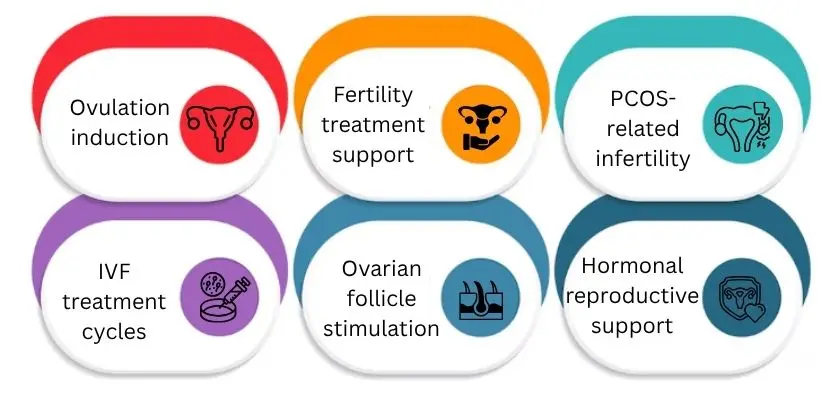
Used For:
E. Anti-Androgens (For PCOS / Male Pattern Imbalance)
Anti-androgen medicines help to lower the effects of excess testosterone. They also work to reduce the impact of androgen hormones.
These treatments are often used to tackle acne, excess facial hair, and hair loss on the scalp that are linked to PCOS.
They also help with irregular periods. Many therapies are used with hormonal contraceptives to balance hormones and manage symptoms over time.
This can make a big difference in how well the treatment works.
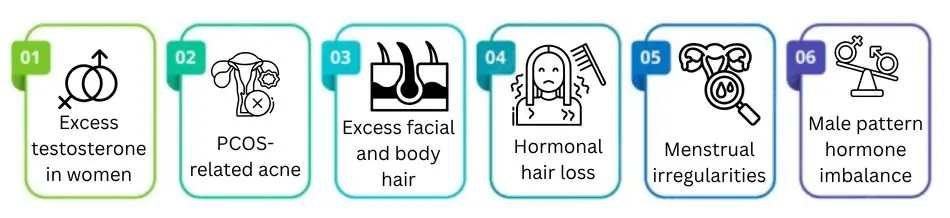
Used For:
F. Testosterone Replacement Therapy (TRT) – Men
Testosterone Replacement Therapy (TRT) is a great option for men who have low hormone levels. It helps bring testosterone levels back to a healthy range.
It is often given for low testosterone and hypogonadism. It helps boost energy and muscle strength.
It also helps improve libido, mood, and overall hormonal health. This is done with the help of a guided hormone replacement treatment.

Used For:
G. Bioidentical Hormone Therapy (BHRT)
Bioidentical Hormone Therapy (BHRT) uses hormones that are very similar to those in the human body.
This method tries to give a simpler, natural way to balance hormones. New research from 2025 shows new ideas for menopause care. Recent FDA updates also support a more personalized approach.
It helps people with perimenopause and hormone deficiency. This method uses hormone replacement therapies that are carefully monitored.
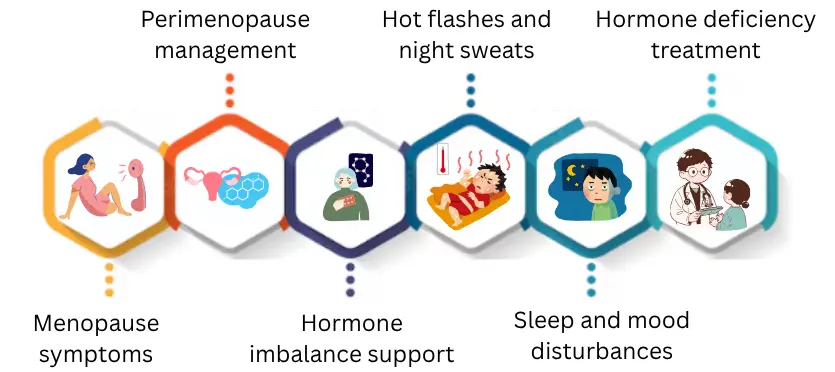
Used For:
Natural & Lifestyle Support (Complementary Treatment)
Natural lifestyle support is a great way to help balance your hormones. It goes well with medical treatment plans.
Diet, Supplements, Exercise, And Stress Support
Healthy Diet
Omega-3 fatty acids, leafy greens, and fiber-rich foods are really good for hormone production. They help your body make hormones. It aids digestion and helps maintain blood sugar and metabolic health.
Stress Support
Adaptogens, such as ashwagandha, could be useful in bringing down cortisol levels. They provide a friendly way to handle stress. Yoga, mindfulness, and good sleep habits help maintain stable hormones and emotional balance.
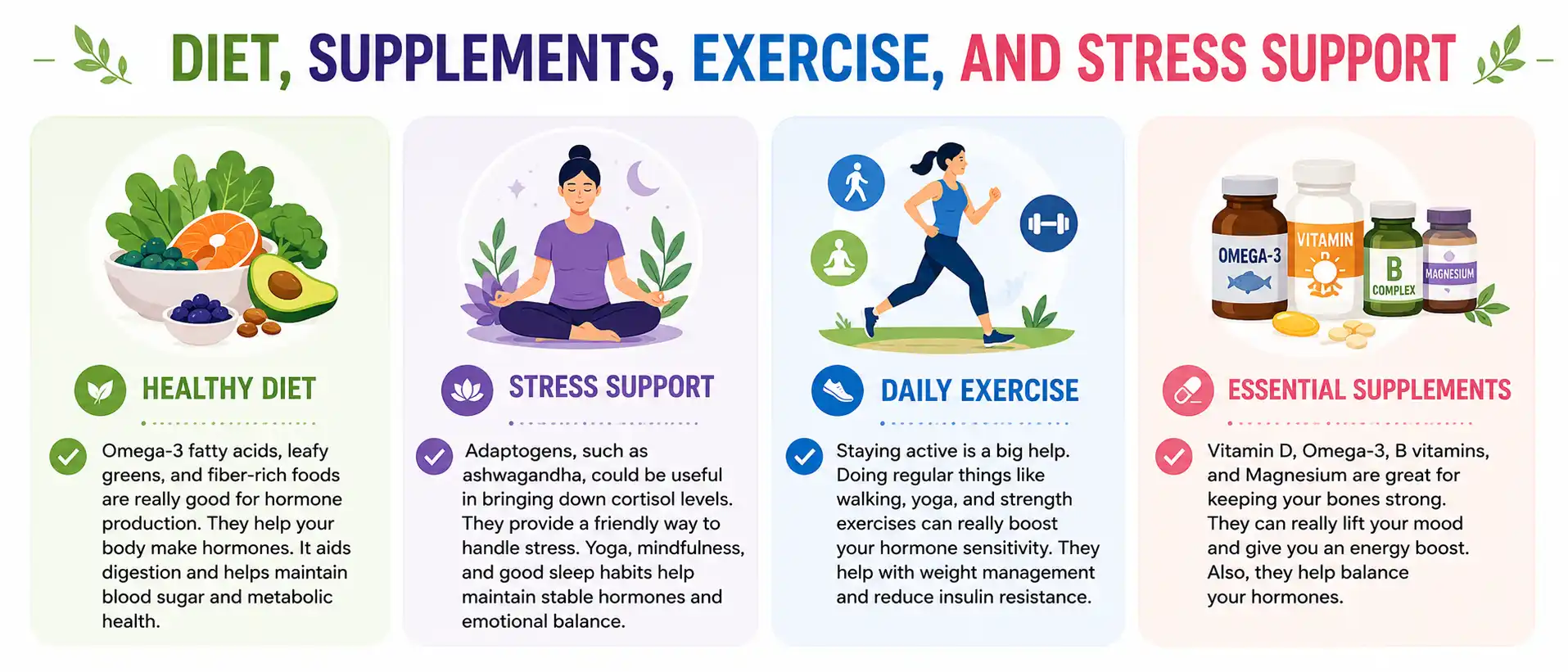
Daily Exercise
Staying active is a big help. Doing regular things like walking, yoga, and strength exercises can really boost your hormone sensitivity. They help with weight management and reduce insulin resistance.
Essential Supplements
Vitamin D, Omega-3, B vitamins, and Magnesium are great for keeping your bones strong. They can really lift your mood and give you an energy boost. Also, they help balance your hormones.
Why India is the Global Hub for Hormonal Medicines?
India is the world’s biggest generic medicine provider, making 20% of the total. In the 2024 financial year, pharma exports hit around $16 billion USD.
Affordable Global Medicines With Trusted Quality Standards
Affordable Pricing
Indian pharmaceutical companies create budget-friendly hormonal medicines. They keep costs low to help global buyers find affordable treatment options. The products are top-notch and always in stock.
Quality Standards
Indian manufacturers achieve important global certifications. These include WHO-GMP, US FDA, and EU GMP. This is important for ensuring the safety of hormone medicines.
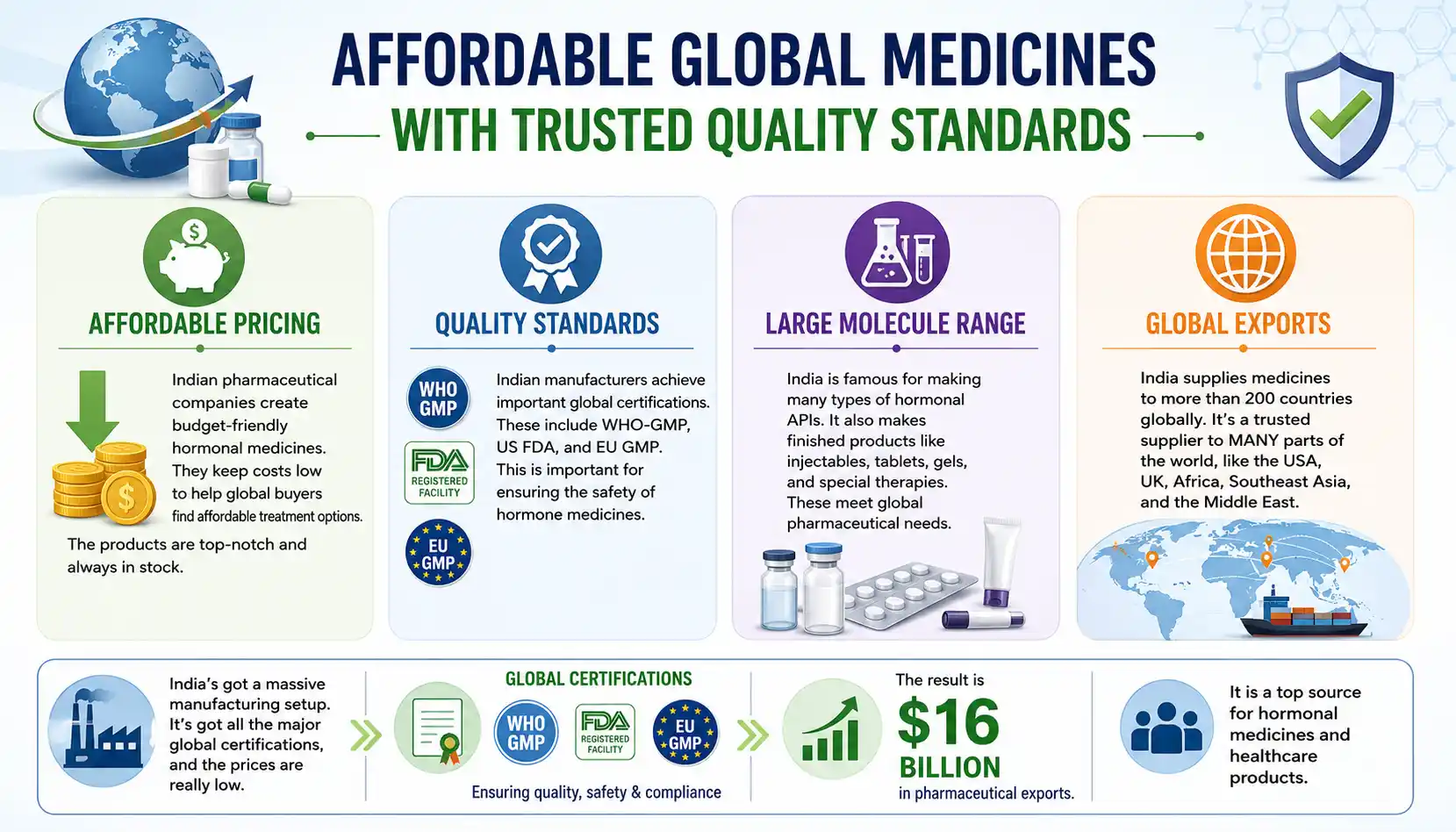
Large Molecule Range
India is famous for making many types of hormonal APIs. It also makes finished products like injectables, tablets, gels, and special therapies. These meet global pharmaceutical needs.
Global Exports
India supplies medicines to more than 200 countries globally. It’s a trusted supplier to MANY parts of the world, like the USA, UK, Africa, Southeast Asia, and the Middle East.
India’s got a massive manufacturing setup. It’s got all the major global certifications, and the prices are really low.
The result is $16 billion in pharmaceutical exports. It is a top source for hormonal medicines and healthcare products.
How to Source Hormonal Medicines from India
India sends out top-notch hormonal medicines to countries all over the world. Buyers must follow the guidelines given before ordering safely.
How to verify a genuine Indian pharma exporter
Going with a trusted Indian pharma exporter is a good move to stay away from fake products. It helps you avoid delays in shipments, too. This helps you get better quality hormonal medicines when buying from abroad.
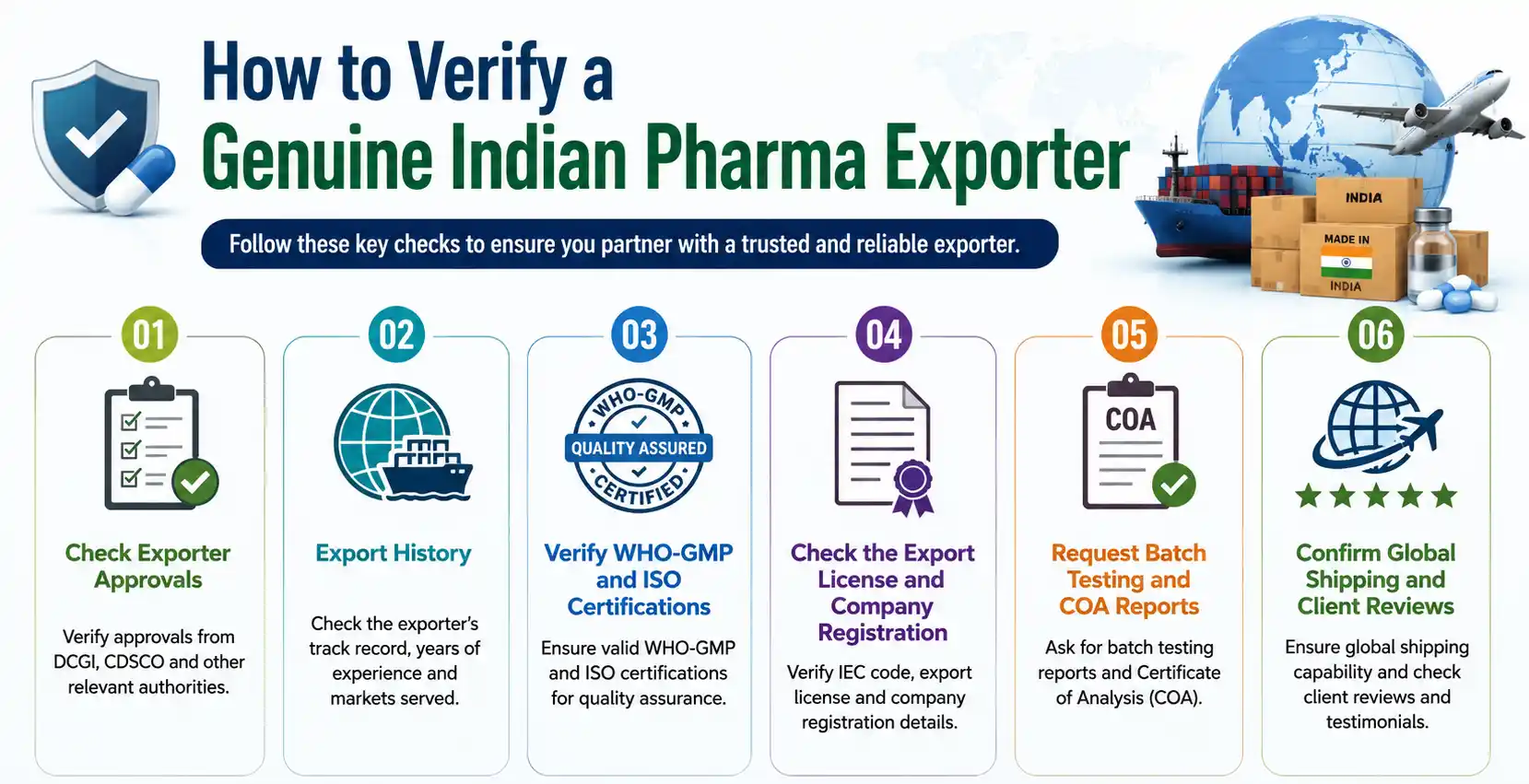
To verify the trusted buyer:
Regulatory considerations by region
Different regions have their own import regulations. To comply, the US and EU markets need thorough approvals.
On the other hand, Africa and Southeast Asia usually need labels and registrations that are specific to each country.
Required Documents
Always request the documents before purchase.
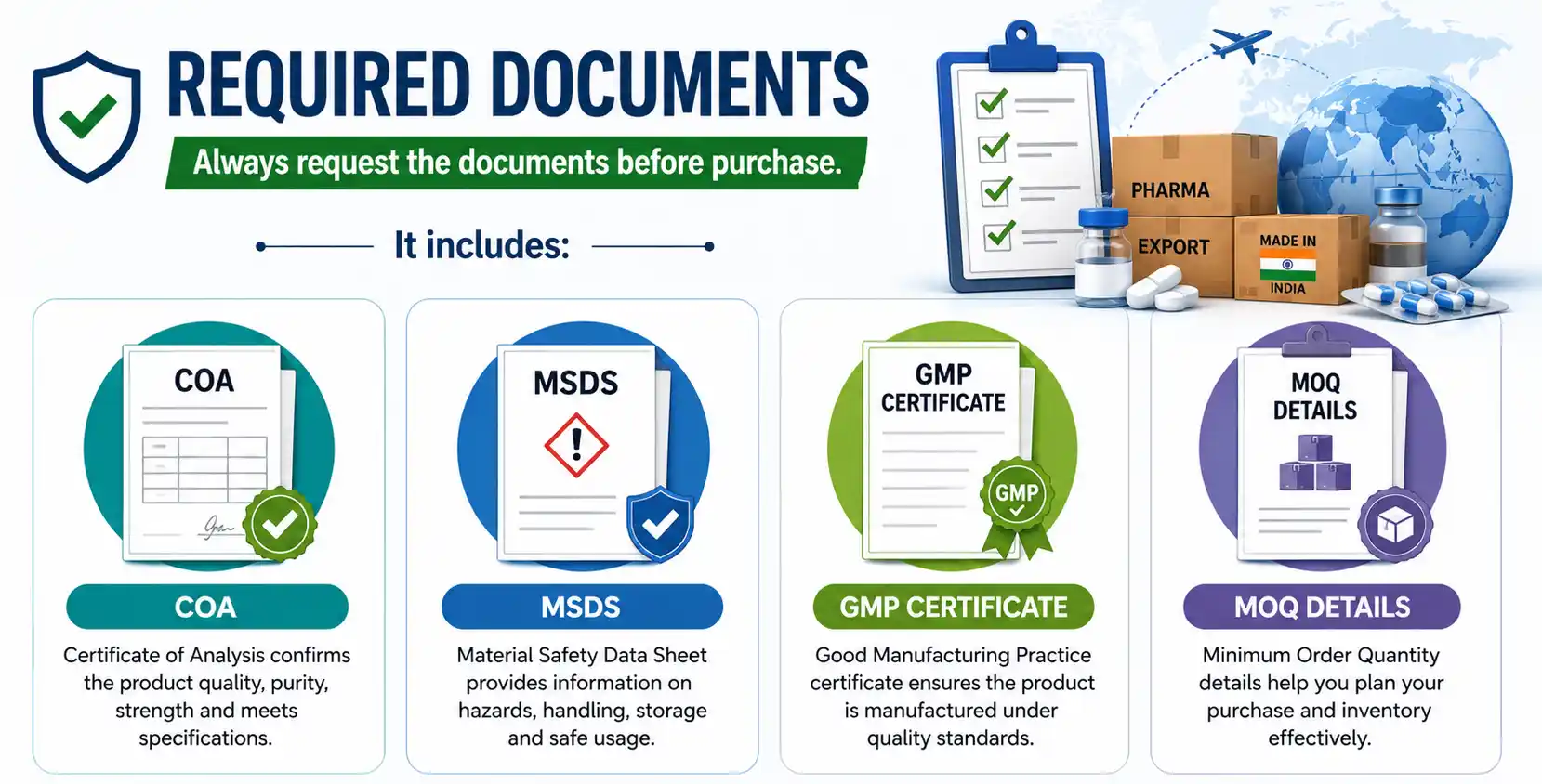
It includes:
These documents give confidence in the quality of our products. They also make sure everything is safe, that products are made correctly, and that bulk orders meet your needs.
Reliable sources are key to keeping the quality high. They also help keep patients safe. Plus, they make the import approval process a lot smoother.
For a bulk supply of hormonal medicines, reach out to Actiza Pharmaceutical. They are ready for export, certified by WHO-GMP, and have gained trust globally.
Conclusion
Treating hormonal imbalance requires a complete approach that includes accurate diagnosis, personalized medicines, healthy lifestyle habits, and regular monitoring.
Doctors use hormone tests and medical history to choose the right treatment for each patient. Healthy eating, exercise, stress management, and proper sleep also support hormone balance and improve results. Regular follow-ups help keep hormone levels stable over time.
India is a trusted global supplier of hormonal medicines because of its quality manufacturing, affordable pricing, and strong export network.
FAQs
Q1:- What medicines are used for hormonal imbalance in women?
Ans:- Hormonal imbalance in women is treated with medicines like birth control pills, estrogen, progesterone, anti-androgen drugs, and thyroid medicines. For PCOS, doctors may also give insulin-control medicines. Blood tests help find the right treatment.
Q2:- What is the difference between HRT and BHRT?
Ans:- HRT uses standard lab-made hormones to treat menopause symptoms like hot flashes and mood swings, while BHRT uses hormones that are chemically similar to the body’s natural hormones and is often customized to a person’s hormone needs.
Q3:- Can a hormonal imbalance be treated without medicines?
Ans:- Yes, mild hormonal imbalance can sometimes improve without medicines. Healthy habits like managing stress, regular exercise, enough sleep, a balanced diet, and maintaining a healthy weight can help balance hormones naturally. However, serious hormone problems may still need medical treatment.
Q4:- Which hormonal medicines are exported from India?
Ans:- India exports many hormonal medicines, including estrogen and progesterone APIs, thyroid medicines, contraceptive hormones, corticosteroids, and fertility medicines. India is trusted globally for its quality manufacturing and affordable prices.
Q5:- How long does hormonal imbalance treatment take?
Ans:- Hormonal imbalance treatment time depends on the cause and severity. Some people improve within a few weeks, while others may need treatment for months or years. Long-term conditions like PCOS, menopause, and thyroid disorders often require ongoing care and monitoring.
Q6:- What is the best medicine for PCOS hormonal imbalance?
Ans:- There is no single best medicine for PCOS hormonal imbalance. Doctors may prescribe birth control pills to regulate periods and reduce acne or excess hair growth. Healthy eating, regular exercise, and weight management also play an important role in managing PCOS.
Q7:- Can men have a hormonal imbalance?
Ans:- Yes, men can also have hormonal imbalance. Common symptoms include low energy, tiredness, mood changes, weight gain, low sex drive, and reduced muscle strength. Treatment may include testosterone therapy, lifestyle changes, or thyroid treatment depending on the cause.