


Key Market Facts – Why Fenbendazole Matters for Pig Farmers
The global swine industry is worth billions. It is crucial for food production and agriculture. One big challenge for pig farmers is internal parasitic infections. These infections quietly lower productivity and profits for both small and large farms.
Internal parasites such as Ascaris suum, Trichuris suis, and Oesophagostomum are common in pigs worldwide. Research shows that pigs often have gastrointestinal parasites.
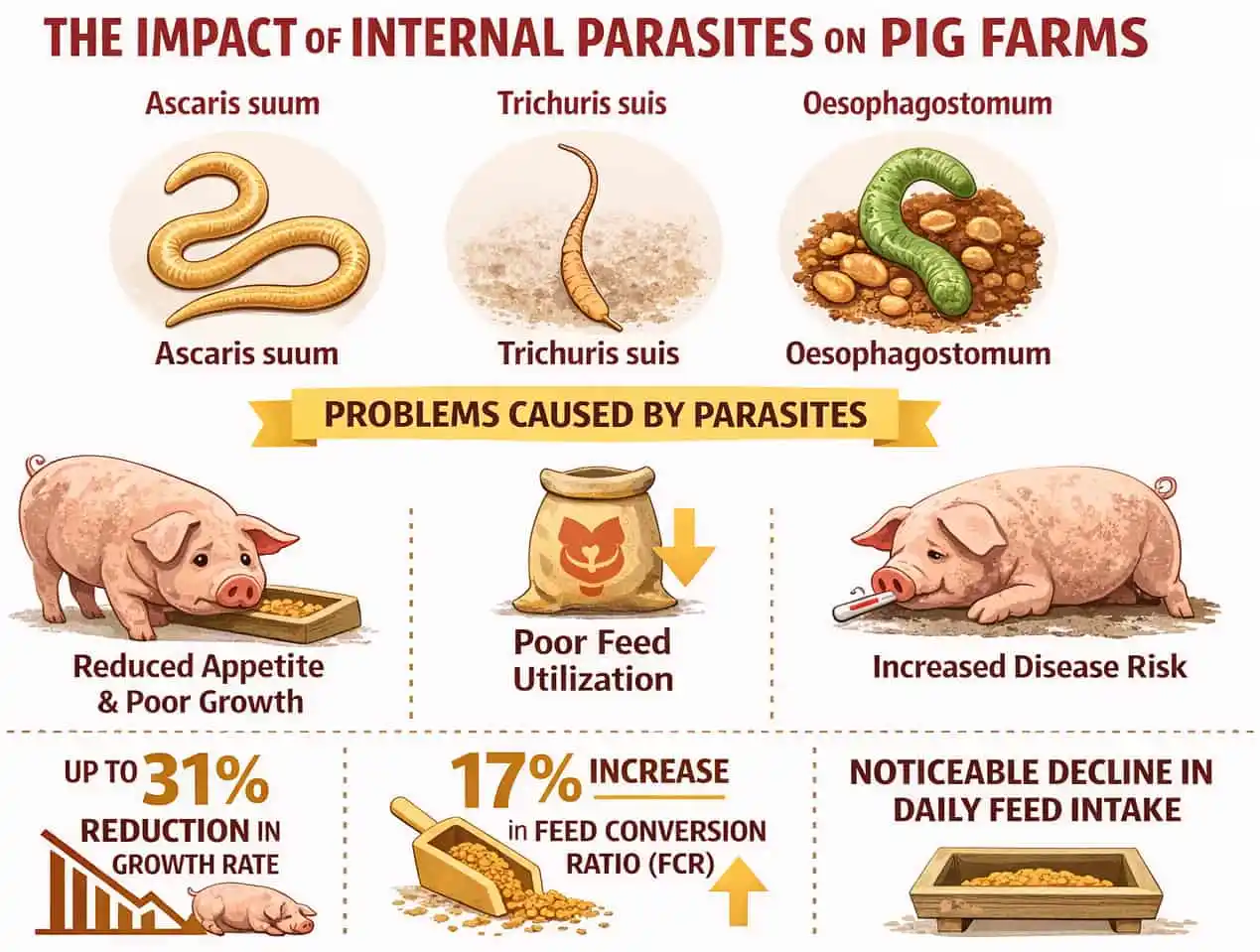
These parasites stay in herds, even in well-managed farms. This happens because of environmental exposure and how parasites live and grow.
In many farming areas, especially those with poor hygiene and biosecurity, infection rates can be high. This supports estimates that most farms, often over 70%, are affected at some point. Parasites directly impact the biological efficiency of pigs.
Reduced appetite and slower growth:-
Studies indicate that parasitic infections can cause:
Farmers face 10-30% lower feed efficiency. This means they spend more on feed but see less weight gain. As a result, their profit margins shrink.
Beyond growth losses, parasites can also affect carcass quality and market value. Infections like Ascaris suum can damage the liver, creating “milk spots.” This can lead to condemned organs at slaughter and result in financial loss.
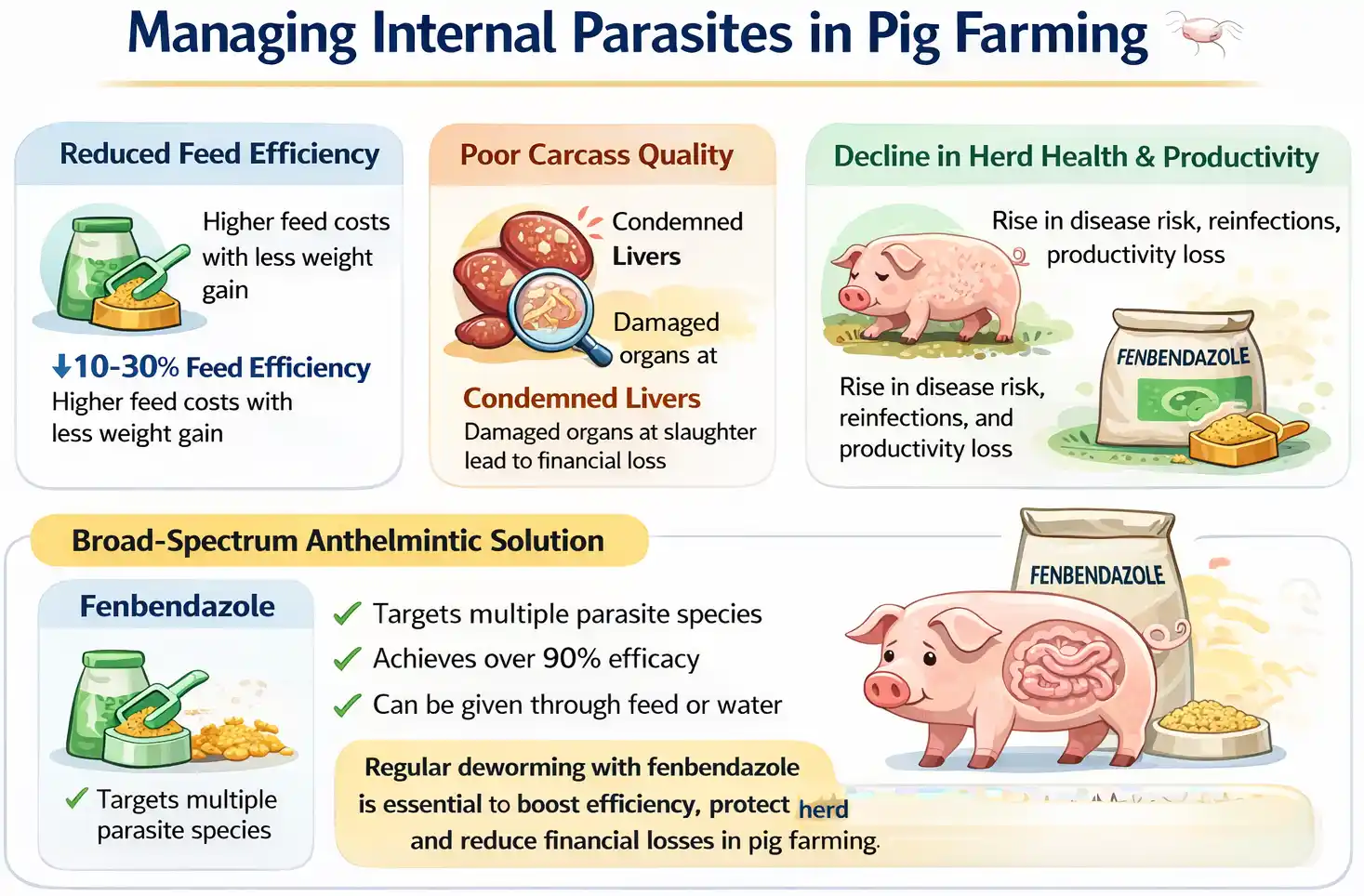
Field studies show that using treatments like fenbendazole can control parasites. This helps reduce losses, lowers liver rejection rates, and improves herd health.
More people are noticing hidden production losses. As a result, there’s a shift toward preventive parasite control programs.
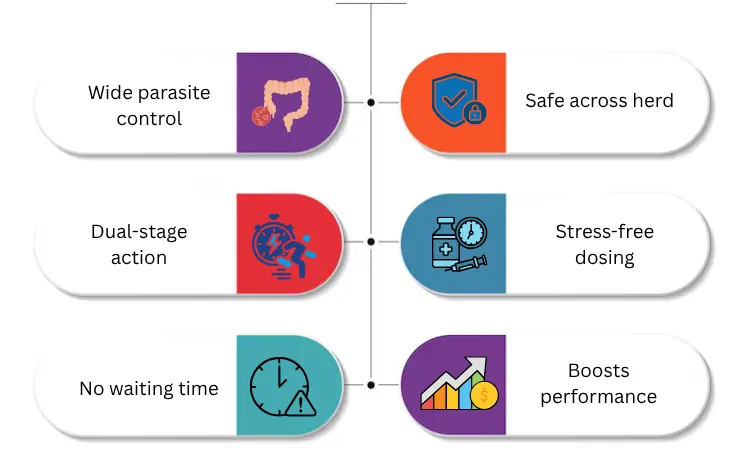
Broad-spectrum anthelmintics like fenbendazole are widely preferred because they:
This versatility makes fenbendazole a key tool in modern swine health management.
In today’s pig farming, regular deworming is a must, not an option. Many farms regularly use antiparasitic treatments. Fenbendazole is one of the most common drugs in herd management programs.
Without consistent deworming:
As the global demand for pork continues to rise, farmers are under pressure to improve efficiency and maintain herd health.
Effective parasite control using solutions like fenbendazole helps:
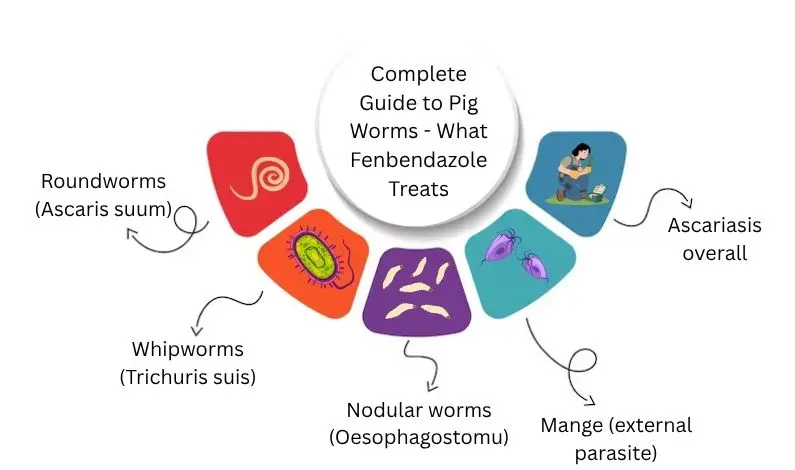
It has been estimated that nearly 70-80 of the swine farms are infected with Ascaris suum. Whipworm alone costs farmers up to $13.76/pig in the lost growth and feed conversion.
Sarcoptic mange reduces average daily gain by 11% and worsens the feed conversion ratio.
Fenbendazole is the only common swine dewormer with a zero withdrawal period. India reportedly exports $30.47 billion in pharmaceutical products each year.
The Silent Profit Killer – What Worm Infections Do to Your Pig Farm
Worm infections are often ignored in pig farming. They quietly cut into profits. Infected pigs usually grow more slowly and gain less weight. They eat more, which raises costs but lowers profits.
Parasites can harm the liver. This damage often appears as “milk spots.” It may lead to organ rejection during slaughter and cause financial losses.
In animal breeding, infections can lower reproductive efficiency. This affects litter size and herd productivity. Also, symptoms like a persistent cough are often confused with viral infections. This mistake can delay proper treatment if parasites are the real cause.
Even when pigs are well-fed, growth may remain slow, and feed costs keep rising. Many farmers think genetics or nutrition is the problem. But often, hidden internal parasites are the real cause. These parasites quietly cut down nutrient absorption every day.
Parasitic infections are one of the most overlooked causes of losses in pig farming. These infections are often subclinical. Pigs appear healthy. However, their growth rate, feed efficiency, and organ health are impacted.

Complete Guide to Pig Worms – What Fenbendazole Treats
Even when pigs are well-fed, growth may remain slow, and feed costs keep rising. Many farmers think genetics or nutrition are the problems. But the real issue is often hidden internal parasites. These parasites quietly lower nutrient absorption every day.
Parasitic infections are one of the most overlooked causes of losses in pig farming. These infections are often subclinical. This means pigs appear healthy. However, their growth rate, feed efficiency, and organ health are impacted.
Key Economic Insights:-
What Is Fenbendazole? – Mechanism of Action
Fenbendazole is a broad-spectrum dewormer. It belongs to the benzimidazole class. It disrupts how parasites make energy. It blocks glucose uptake in worms, causing them to lose energy and eventually die.
How It Works
Fenbendazole works at a cellular level by targeting the structural system of parasites. It binds to tubulin proteins. These proteins are crucial for making microtubules. Microtubules help worms absorb nutrients and keep their internal functions running smoothly.
When this process is disrupted, the parasite cannot digest food or make energy.
As time passes, the worm loses strength, becomes unable to move, and ultimately dies. This action impacts various stages of the parasite’s growth. So, it clears current infections and also helps stop further spread in the herd.
Available Forms of Fenbendazole for Pigs
Fenbendazole comes in various forms. This helps meet the needs of different farm sizes and dosing methods. Liquid suspensions (about 10%) are simple to give. This makes them great for small farms or specific treatments.
Premix granules (5%, 10%, or 20%) blend smoothly into regular feed. This offers a smart way to manage large herds.
You can top-dress pellets (about 0.5% alfalfa-based) on feed. This makes group dosing easier without complicated prep. They rely on it for tailored formulations.
Benefits of Using Fenbendazole in Pigs
Precautions & Warnings
Where to Buy Fenbendazole for Pigs online?
Many formulations have minimal or no withdrawal period (check label guidelines). Large farms can save significantly by purchasing in higher quantities. Ensure the product meets import/export and veterinary regulations in your region.
Fenbendazole vs. All Other Dewormers – Complete Comparison
Worm Spectrum
Kills Larvae?
Safe in Pregnancy?
Withdrawal Period
Kills External Parasites (Mites/Lice)?
Administration
Safe for All Ages?
Overall Value
Key Competitive Advantages of Fenbendazole
Fenbendazole is key in pig farming. It offers strong control and works well against common parasites. It stands out because it provides flexible administration via feed. This makes it useful for both small and large operations.
Its safety profile is strong for all ages, even for pregnant sows. This makes it very versatile.
Fenbendazole boosts herd performance by promoting growth and improving feed efficiency. It targets multiple parasite stages, which cuts down reinfection. This makes it a reliable and cost-effective option for today’s swine management.
Complete Fenbendazole Dosage Guide for Pigs
Fenbendazole is usually given at about 9 mg for each kg of body weight. It’s taken continuously for 3 to 12 days. The length of treatment depends on how severe the infection is.
It is often mixed into feed. This makes it the Typically provided as the primary medicated feed. So, we can measure intake accurately.
This extended dosing method removes adult worms and targets developing larvae. This means better parasite control and lower chances of reinfection.
Standard Approved Dosage (FDA-Approved)
The total cumulative dosage is 9 mg fenbendazole per/kg body weight
The treatment period is 3-12 consecutive days, depending on the formulation concentration. Mixed into complete swine feed as the sole ration, and no fasting is required either before or after.
No withdrawal period is required with most formulations.
The exception is a type A formulation, which requires a day of withdrawal. This applies when used at certain concentrations.
Dosage by Pig Category (Reference Table)
Recommended Deworming Calendar
An effective deworming plan should be tailored to different stages of pig management.
Grower pigs usually get treatment every 4 to 6 weeks. This helps them grow steadily and stops parasites from building up.
Deworm pregnant sows before they give birth. This helps protect both the mother and her piglets.
New pigs need treatment before joining the herd. This helps prevent infections from spreading.
A good deworming schedule is key to pig health. It helps stop parasites from spreading in the herd. Newly bought pigs need treatment right away. Growing pigs should be dewormed at certain weight intervals.
Panacur 150 mg is the usual amount of Fenbendazole for pigs. We recommend regular maintenance deworming every 4-6 weeks, especially in high-risk environments.
Avoid underdosing. It can cause drug resistance. So, test to check effectiveness. Young piglets need special care. Some treatments aren’t safe for them.
Safety Profile, Side Effects & Contraindications
Fenbendazole is safe for pigs and is usually well-tolerated when used correctly.
Side effects are minimal. This makes it a top choice for managing parasites regularly.
For big herds or regular deworming, ask a vet. This helps with dosing, boosts parasite control, and keeps your herd healthy.
Safety Record
Fenbendazole is widely recognized for its strong safety profile and has been used extensively in animals with consistent results.
It has a high tolerance level, meaning even doses above the recommended range are less likely to cause serious harm. It is considered safe for pigs across different life stages, including pregnant and lactating animals, with no significant drug interactions reported.
Possible Side Effects (Rare)
Contraindications
Fenbendazole should be used cautiously in very young piglets, especially those under six weeks of age, unless advised by a veterinarian.
Exceeding the recommended dosage should be avoided, as it may contribute to reduced effectiveness and parasite resistance. Proper storage is also important, as degraded or altered products should not be used.
Overdose Warning
Although fenbendazole has a wide safety margin, significant overdosing can lead to symptoms such as lethargy, digestive disturbances, or loss of coordination.
In such cases, immediate veterinary attention is recommended to manage symptoms and ensure recovery.
Conclusion
Fenbendazole is a highly effective and trusted deworming solution for pigs, offering broad-spectrum protection against various internal parasites.
Its strong safety profile, ease of administration, and minimal withdrawal concerns make it a practical choice for both small-scale and commercial pig farming.
When used correctly as part of a regular deworming program, it helps improve animal health, growth performance, and overall farm productivity. For best results, proper dosing, timing, and veterinary guidance should always be followed.
FAQs – Fenbendazole for Pigs
Q1. What is the correct fenbendazole dose for pigs?
Ans:- The standard dosage is typically around 9 mg per kg of body weight, administered over several consecutive days through feed. However, the exact dose and duration may vary depending on the product and infection level, so label instructions or veterinary advice should be followed.
Q2. Can fenbendazole be given to pregnant sows?
Ans:- Yes, fenbendazole is generally safe for use in pregnant sows. It is often recommended before farrowing to reduce parasite transmission to piglets and support better overall herd health.
Q3. How quickly does fenbendazole work in pigs?
Ans:- Fenbendazole starts acting soon after administration, but complete parasite removal usually occurs over a few days. Dead worms are gradually expelled from the body, and visible improvement may be seen within a short period.
Q4. Does fenbendazole treat all types of worms?
Ans:- Fenbendazole is effective against many common internal parasites, including roundworms and lungworms. However, it may not cover all external parasites so that additional treatments might be required for complete parasite control.
Q5. Is there a withdrawal period after using fenbendazole?
Ans:- Most fenbendazole formulations have little to no withdrawal period, allowing pigs to be processed shortly after treatment. However, this can vary depending on the specific product, so checking label instructions is important.
Q6. How often should pigs be dewormed with fenbendazole?
Ans:- The frequency depends on the farming system. In high-risk or outdoor environments, deworming every 4-6 weeks may be recommended, while controlled indoor systems may require less frequent treatment.
Q7. Where can fenbendazole be purchased for pigs?
Ans:- Fenbendazole products are available through veterinary suppliers, agricultural stores, and licensed distributors. It is advisable to purchase from trusted sources to ensure product quality and effectiveness.
Q8. Is fenbendazole effective against lungworms in pigs?
Ans:- Yes, fenbendazole is commonly used to treat lungworm infections. It helps reduce respiratory symptoms and improves overall health when administered correctly.
