


The Gulf region, which includes the UAE, Saudi Arabia, and Qatar, is famous for its fast economic growth and modern infrastructure.
But this progress comes with a health worry. Chronic diseases are rising, affecting millions of lives quietly.
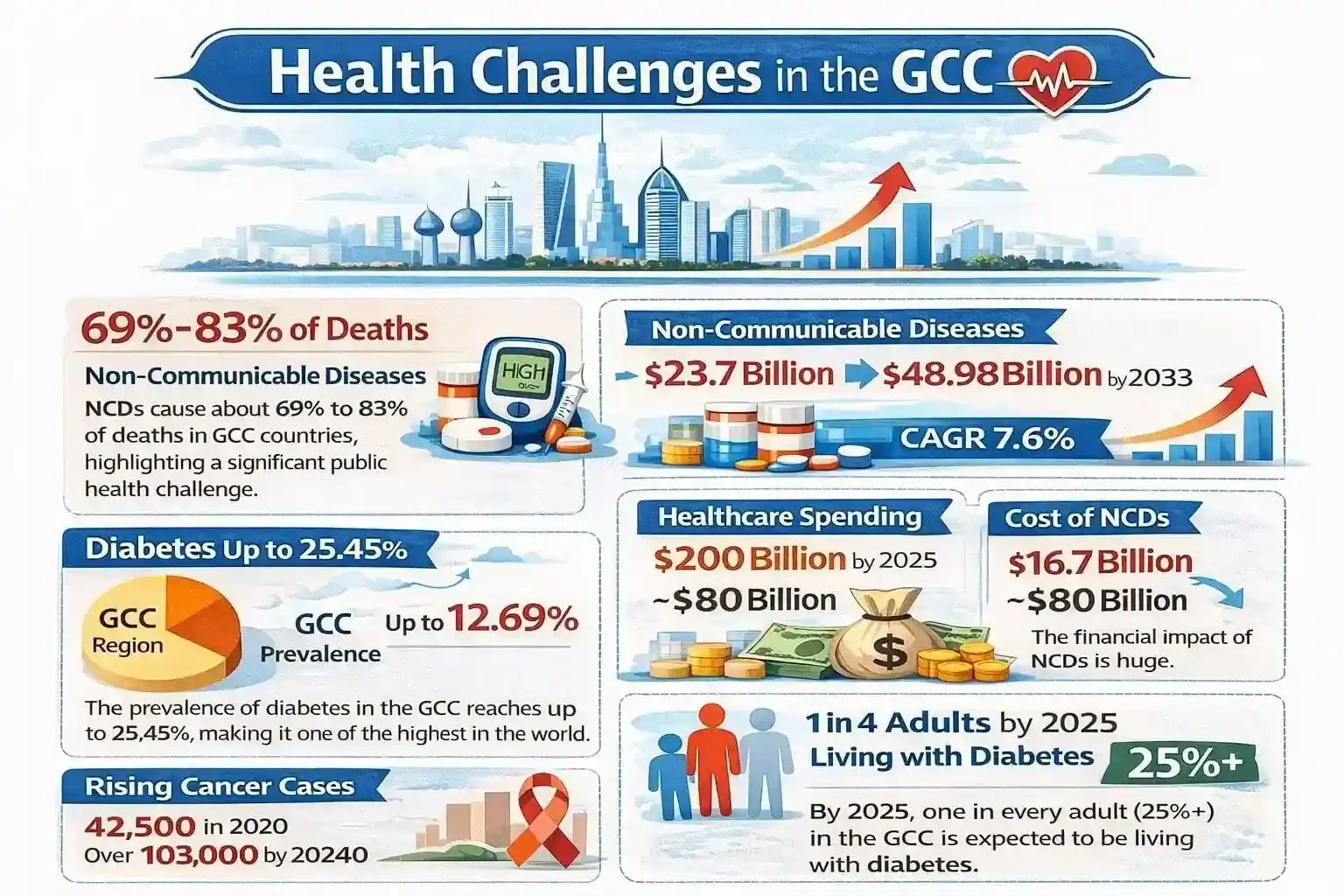
Non-communicable diseases like diabetes, heart disease, and obesity are major health problems in these countries today. These conditions are different from infectious diseases. They develop slowly because of lifestyle changes. Factors include less physical activity, poor diets, and urban living.
This change in health patterns puts long-term pressure on healthcare systems. These diseases need ongoing treatment and management.
As a result, the demand for reliable and cost-effective medicines is rising steadily across the Gulf region.
Gulf Chronic Disease – The Big Picture (2025)
Chronic diseases are rising rapidly across Gulf countries, becoming the leading cause of illness and death. Diabetes, heart disease, and obesity now lead health issues in the region.
A big reason for this trend is lifestyle changes. Higher incomes, urban living, and less activity have lowered physical exercise. At the same time, people are eating more unhealthy foods.
These diseases account for a large proportion of deaths, highlighting the seriousness of the situation. At the same time, healthcare systems are facing growing pressure to manage long-term treatments and patient care.
The Gulf’s pharmaceutical market is growing fast. This is due to many chronic conditions needing lifelong medication. As a result, there’s a strong demand for high-quality and affordable treatment options.
Chronic diseases are the main health issue in Gulf countries. They make up most of the diseases in the region. Rapid urban growth, rising incomes, and lifestyle changes have led to more cases of diabetes, heart disease, and cancer.
At the same time, the healthcare and pharmaceutical sectors are expanding quickly to meet this rising demand. Treatment costs are rising, and long-term care needs are increasing. This puts pressure on governments and healthcare providers. They must manage the increasing disease burden effectively.
Projections also show a sharp rise in cases, especially diabetes and cancer, over the coming years. Chronic diseases will keep influencing healthcare priorities and spending in the Gulf region for years to come.
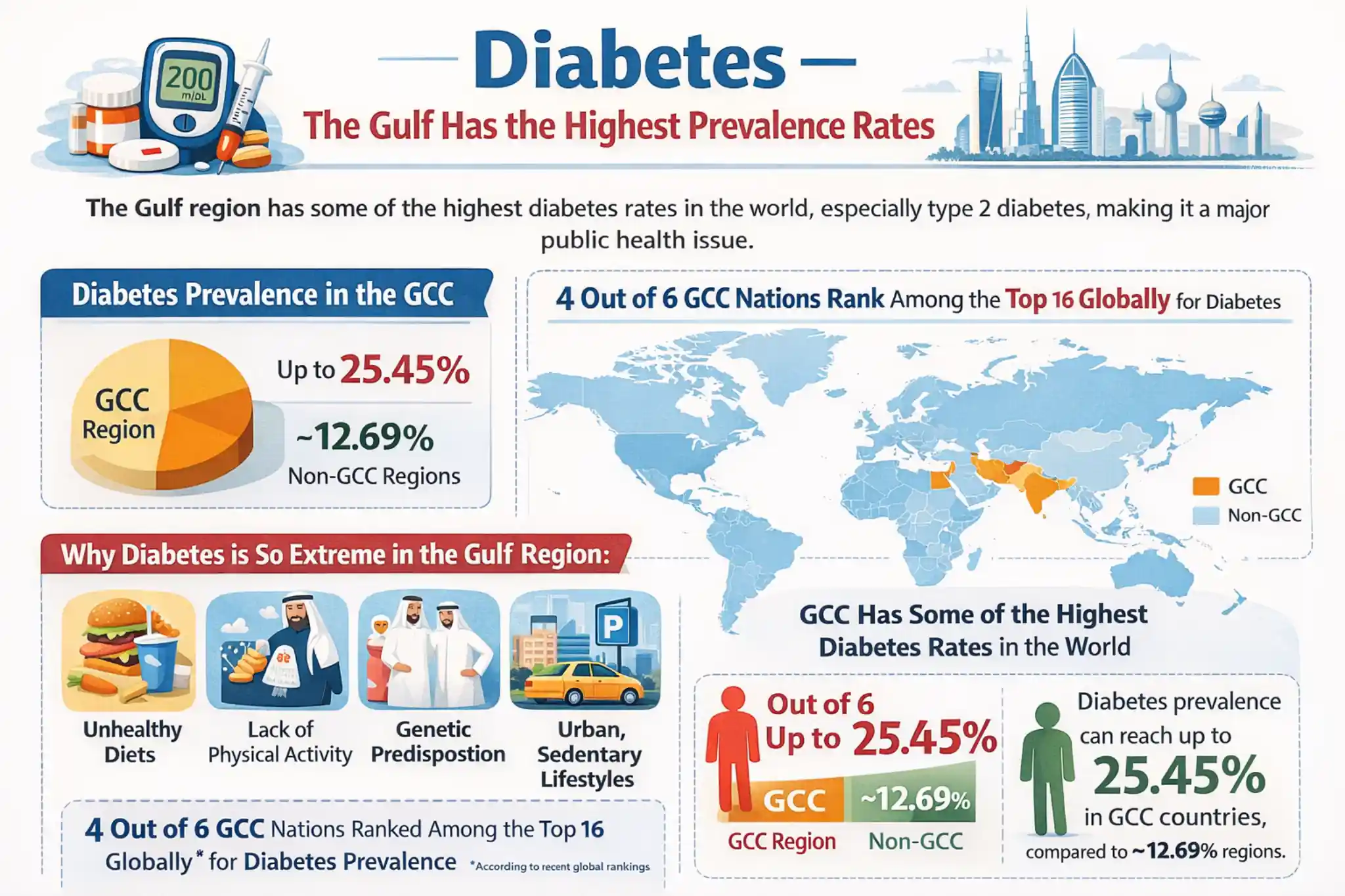
Diabetes – The Gulf Has the Highest Prevalence Rates
The Gulf region has some of the highest diabetes rates in the world, especially type 2 diabetes. This makes it a big public health issue. Saudi Arabia, Kuwait, and the UAE often rank high in lifestyle and diet-related issues.
Obesity, high sugar intake, little physical activity, and genetics are causing this rise. These combined risks have led to a significant portion of the adult population being affected by diabetes.
If diabetes isn’t managed well, it can cause serious problems. These include heart disease, kidney failure, and nerve damage. Many patients need lifelong treatment. This raises the demand for effective and affordable diabetes medications in the region.
Diabetes is a major health issue in the Gulf region. Its rates are much higher than the global average. Studies show that in some GCC countries, over 25% of adults are affected, nearly double compared to many non-GCC regions. This highlights how rapidly lifestyle-led diseases have taken hold in these economies.
Most GCC nations have high diabetes rates, showing a regional trend, not just isolated cases. Urban lifestyles, dietary habits, and genetic risks have all led to a rise in diabetes. This makes it a major public health issue in the Gulf.
Diabetes rates vary across GCC countries but remain consistently high. Kuwait and the UAE have high prevalence rates. Their advanced screening programs find many patients. Saudi Arabia has seen a sharp rise over the years, with projections suggesting even higher future rates.
In Qatar, diabetes rates are set to rise sharply by 2050. This trend will mainly affect middle-aged adults. Bahrain has a serious problem with diabetes complications. Oman, on the other hand, is seeing a steady rise, which could lead to even more issues in the future.
But do you know why diabetes is so extreme in the Gulf? The main reason is simple. The region changed fast. In just one generation, people went from being active to relying on cars and technology.
Diabetes is a major health issue in the Gulf region. GCC countries have some of the highest rates of diabetes in the world.
Cardiovascular Disease – The #1 Killer Across Every GCC Country
Cardiovascular diseases (CVD), like heart attacks and strokes, are the top cause of death in Gulf countries. Many adults have risk factors such as high blood pressure, diabetes, and high cholesterol. This makes the area very prone to heart-related issues.
Modern lifestyles low activity, poor diets, and rising obesity drive this growing crisis. About 40% of adults in the region have hypertension. This raises the risk of serious complications.
CVD in the Gulf is not caused by a single factor but by a combination of interconnected risks such as obesity, diabetes, and dyslipidaemia. These overlapping conditions create a heavy disease burden. They also make treatment more complex and lengthy.

Patients often need lifelong medications for these chronic conditions. Common drugs include antihypertensives, cholesterol-lowering drugs, and blood thinners. This has led to a consistently rising demand for cardiovascular medicine across the Gulf healthcare market.
Cardiovascular diseases, like heart attacks, strokes, and hypertension, lead in deaths from NCDs in the Gulf region. They also add significantly to healthcare costs.
Key Risk Drivers
CVD in the GCC is fueled by multiple overlapping lifestyle and metabolic risks:
Treatment Demand
Most CVD patients need long-term combination therapy. This includes medications like statins, beta-blockers, ACE inhibitors, and antihypertensives. So, it represents a vital and steady part of pharmaceutical demand in the region.
Cancer Cases Are Projected to More Than Double by 2040
Cancer is rapidly emerging as a major health concern in Gulf countries, with cases expected to rise sharply in the coming years. This rise comes mainly from older populations, changes in lifestyles, and better detection methods. These factors are finding more cases than ever.
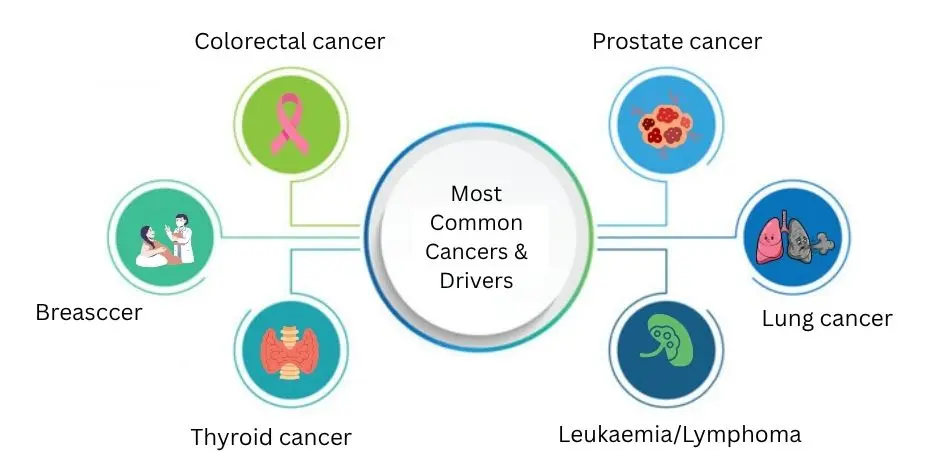
Among the most common cancers are breast, colorectal, lung, and prostate cancers. Early screening programs help find some cancers sooner. However, many cases still need long-term, expensive treatments, including advanced therapies.
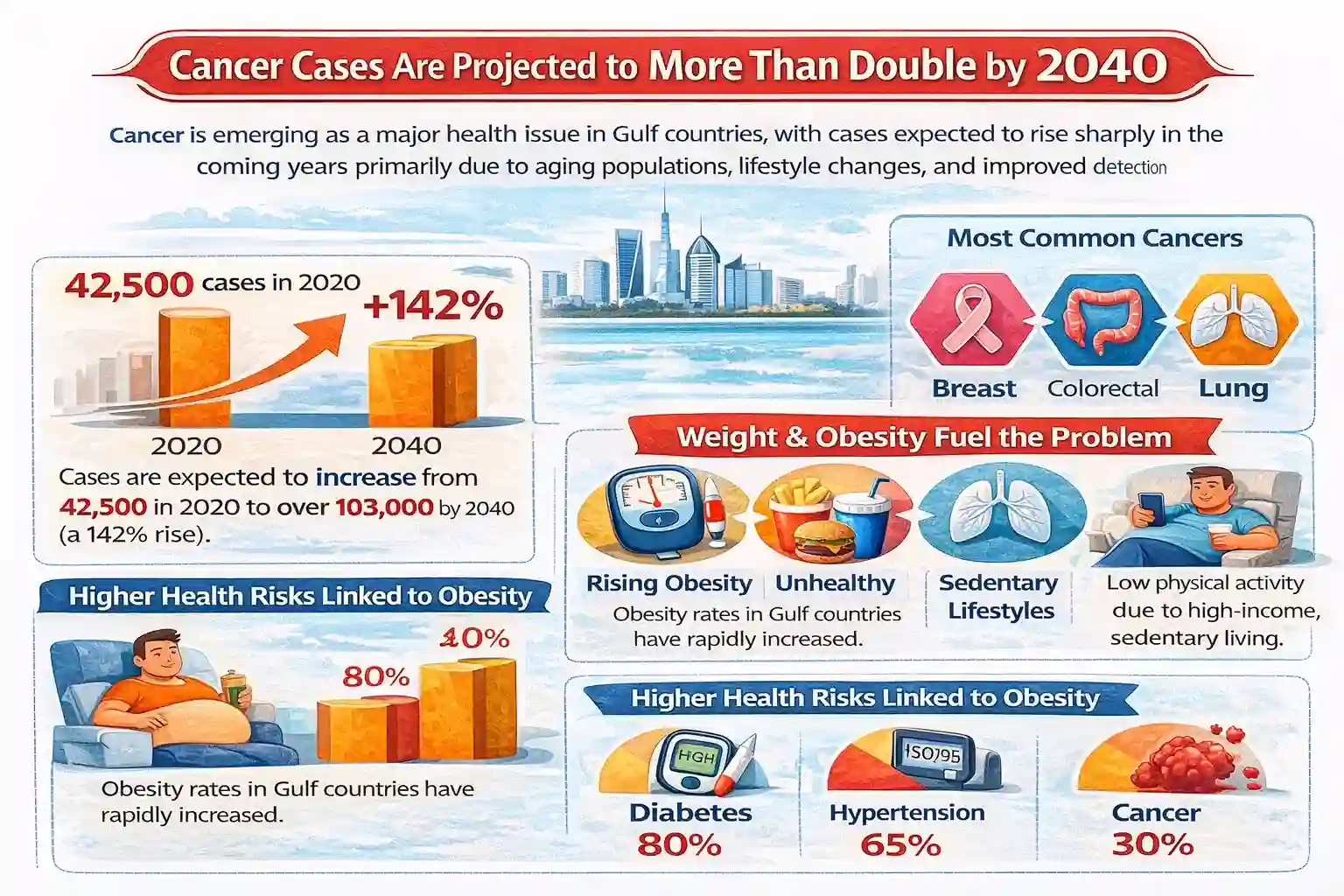
Obesity is now a big part of life in the Gulf. It is a major cause of chronic diseases. High-income lifestyles often mean less physical activity. People rely more on convenience, leading to less daily movement.
Dietary habits matter a lot. Eating more fast food, sugary drinks, and processed meals leads to weight gain and metabolic issues. As a result, a large percentage of the population is either overweight or obese.
The rising obesity trend raises the risk of diabetes, hypertension, and heart disease. This leads to a chain of health problems. It has now become a key factor behind the region’s rising chronic disease burden and long-term healthcare demand.
Cancer Trends in the GCC
Cancer is a major health issue in the Gulf region. It’s growing fast due to changes in lifestyle, an aging population, and improved diagnosis rates.
Most Common Cancers & Drivers
Obesity and Sedentary Lifestyles – A Structural Disease Driver
Obesity in the Gulf region has risen sharply, with Kuwait (37%), Saudi Arabia (35%), and Qatar (34%) reporting very high rates in 2016, almost triple since 1975.
Current figures show even higher prevalence, reaching around 44% in Kuwait, 42% in Qatar, and 41% in Saudi Arabia. Among adolescents aged 10–19, nearly one in five is overweight, signalling a long-term healthcare burden.
This rise comes from sedentary lifestyles, poor diets, and fast urbanization. As a result, there are more cases of diabetes, heart disease, kidney problems, and other chronic conditions.
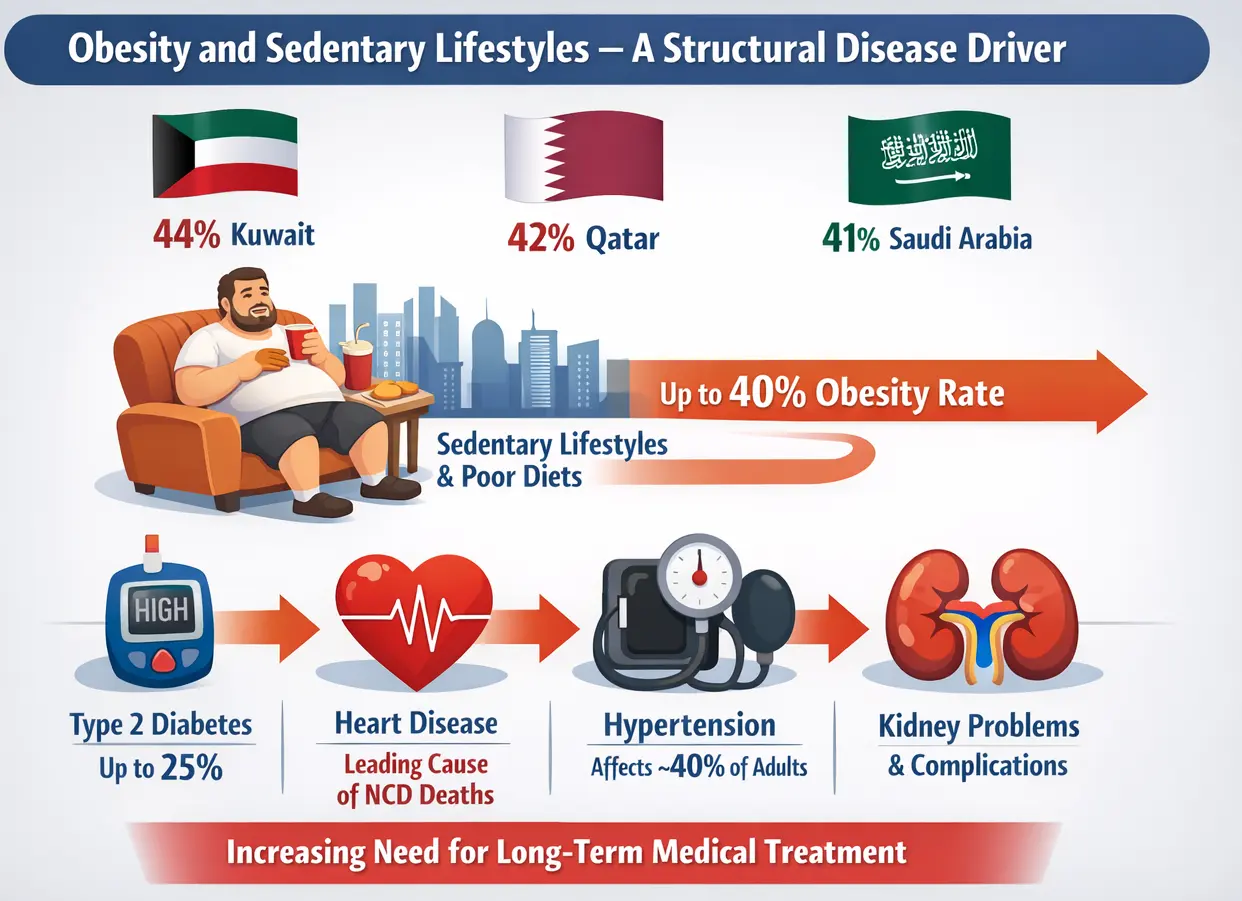
As obesity increases, it leads to many health issues. This raises the need for ongoing treatments and prescription drugs in the area.
Rapid urban growth in the Gulf has led to less active lifestyles, which in turn is driving the prevalence of chronic health conditions.
Each stage of progression creates a continuous and rising need for long-term medical treatment across the region.
The GCC Pharmaceutical Market is One of the World’s Fastest-Growing
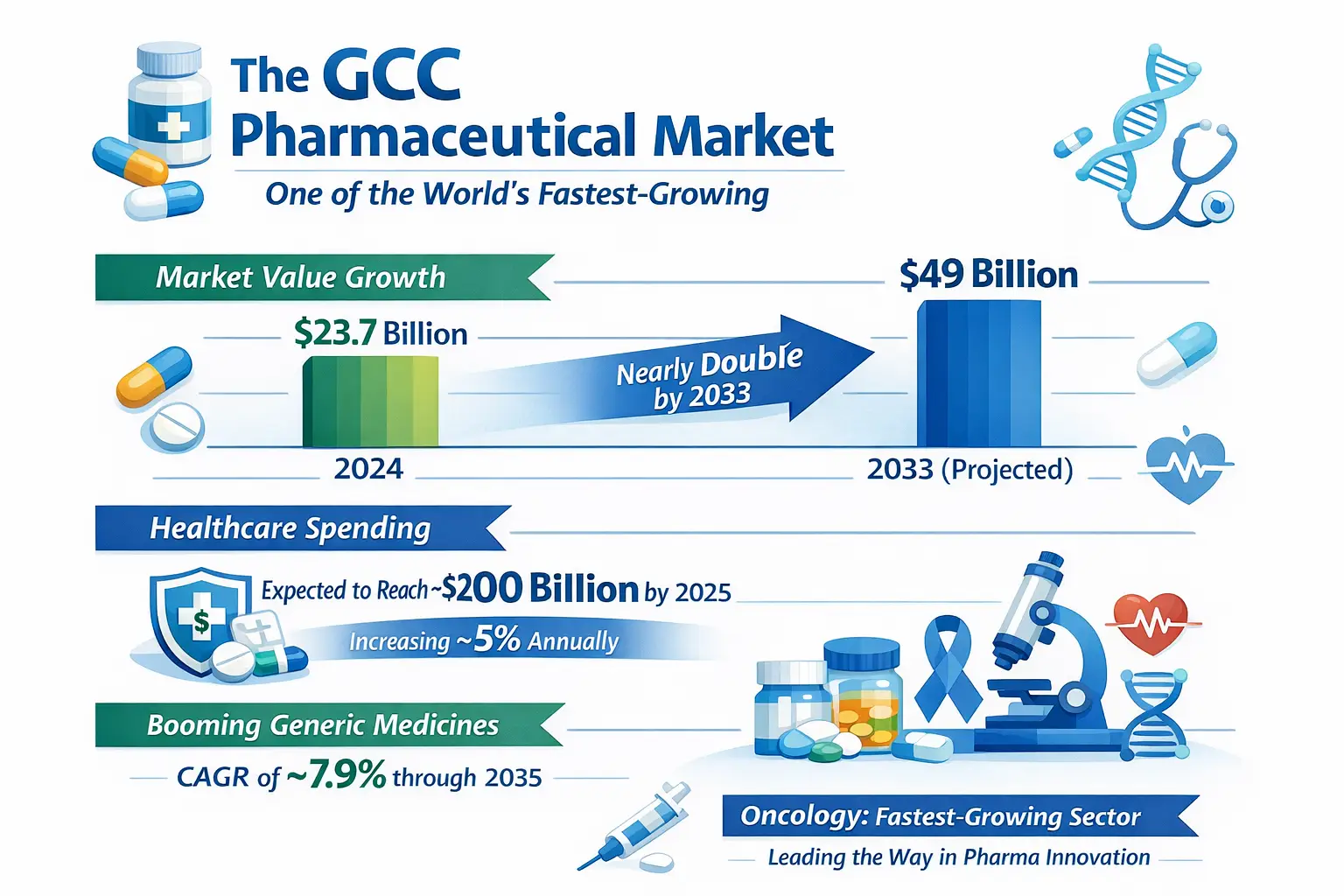
The GCC hmaceutical sector is growing quickly. This growth comes from higher healthcare needs and more investment. The market is valued at around $23.7 billion in 2024and is projected to nearly double to about $49 billion by 2033, reflecting consistent expansion.
At the same time, overall healthcare spending in the region is expected to reach roughly$200 billion by 2025, increasing annually by around 5%. The generic medicines segment is growing fast. It has an estimated CAGR of about 7.9% through 2035. Oncology is the fastest-developing area.
The Economic Cost of NCDs Makes Affordable Medicines Essential
Non-communicable diseases (NCDs) put a heavy financial burden on Gulf economies. They increase healthcare costs and lower workforce productivity.
Chronic conditions such as diabetes, heart disease, and cancer need ongoing care. This means patients require medical attention for many years.
The total economic impact is in the tens of billions of dollars each year. This includes direct treatment costs and indirect losses like absenteeism and lower efficiency.
As the number of patients increases, this burden continues to grow, putting pressure on the national healthcare budget. Governments in the Gulf are investing a lot in preventive care. They are focusing on early diagnosis and advanced treatment programs.
This helps manage the growing number of diseases. However, managing costs remains a key challenge.
This is where affordable and generic medicines play a crucial role. They provide affordable options that maintain quality. This helps lower overall healthcare costs and makes long-term treatment more accessible to more people.
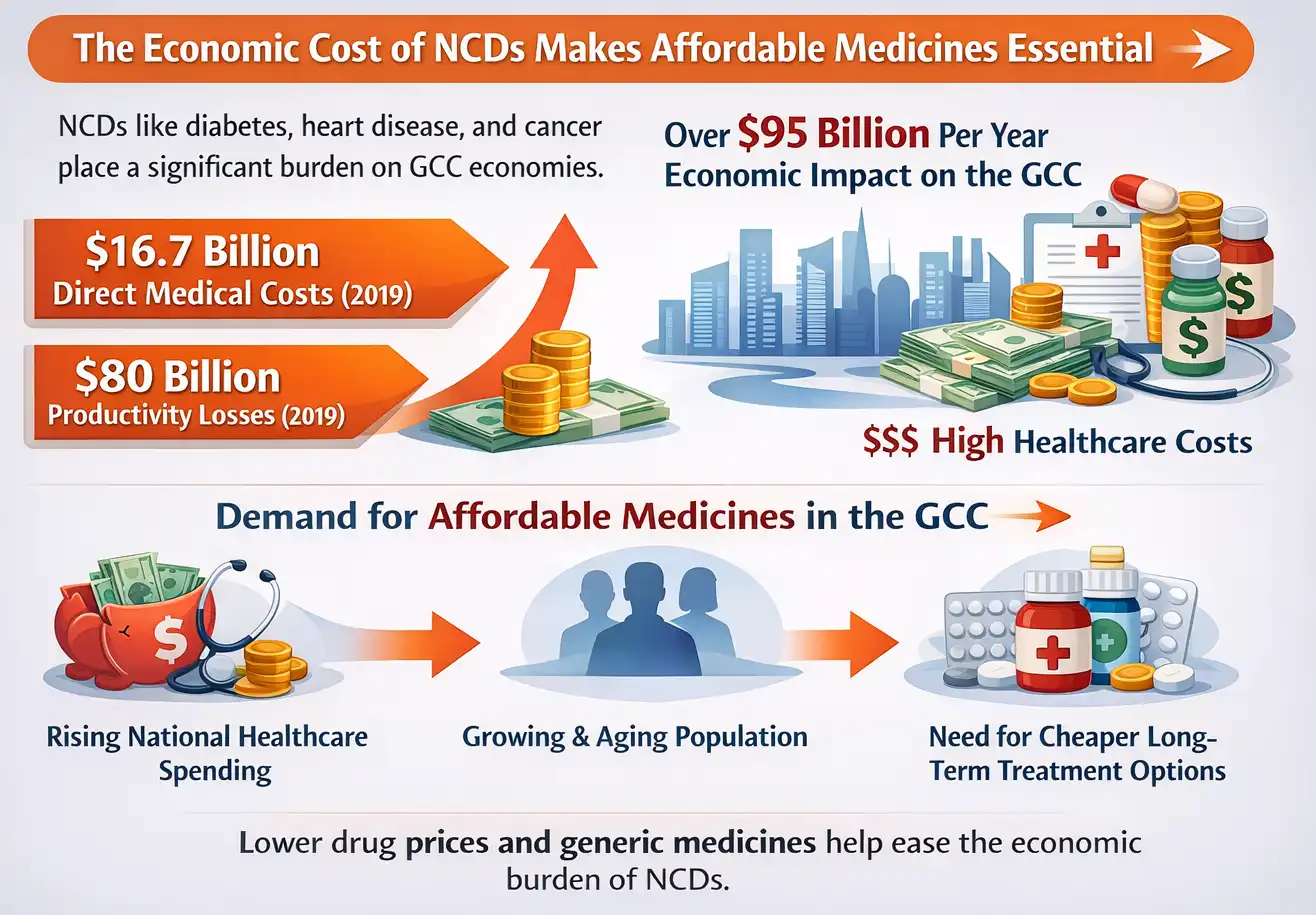
The economic impact of non-communicable diseases (NCDs) in GCC countries is significant. This drives a strong move towards affordable generic medicines. In 2019 alone, direct medical costs reached about $16.7 billion, while indirect losses from reduced productivity were close to $80 billion. With ageing populations, these costs are expected to rise further.
High prices for branded drugs can make long-term treatment hard, especially for expatriate workers. Access to cheaper alternatives often 60–85% less expensive can boost treatment adherence. This leads to better health outcomes and lower overall healthcare costs.
Why Gulf Patients Turn to India for Chronic Disease Medicines
Geographic Prm – 5 to 9 Day Delivery
Gulf patients are turning to India for chronic disease medicines. They value India’s affordability, quality assurance, and strong manufacturing. India makes globally approved generic medicines that meet international standards and stay cost-effective.
India’s close geographic location to GCC countries allows for fast and efficient medicine delivery. With strong air and sea logistics, shipments can be sent quickly. Most Gulf destinations receive them in a short time.
India-UAE CEPA – Zero Barriers for Pharma Trade
The India-UAE CEPA (Comprehensive Economic Partnership Agreement) has made pharmaceutical trade easier. It does this by cutting tariffs and simplifying regulatory steps. This allows medicines to move more effectively and more cost-effectively between the two regions.
As a result, Indian pharmaceutical exports to the UAE and nearby GCC countries have become more efficient and competitive. The agreement boosts long-term healthcare work. It ensures better access to affordable, high-quality medicines in the Gulf region.
WHO-GMP & FDA Quality – Same as Branded Gulf Pharmacy Medicines
Indian pharmaceutical manufacturers follow strict quality standards, like WHO-GMP guidelines. This ensures that their medicines are safe, pure, and effective. Many facilities get inspected and approved by global regulators, like the US FDA and European authorities. This shows they meet high international compliance standards.
Thanks to strict controls, Indian generic medicines match the quality of branded drugs in GCC pharmacies. This gives patients confidence in getting reliable and effective treatment at a lower cost.
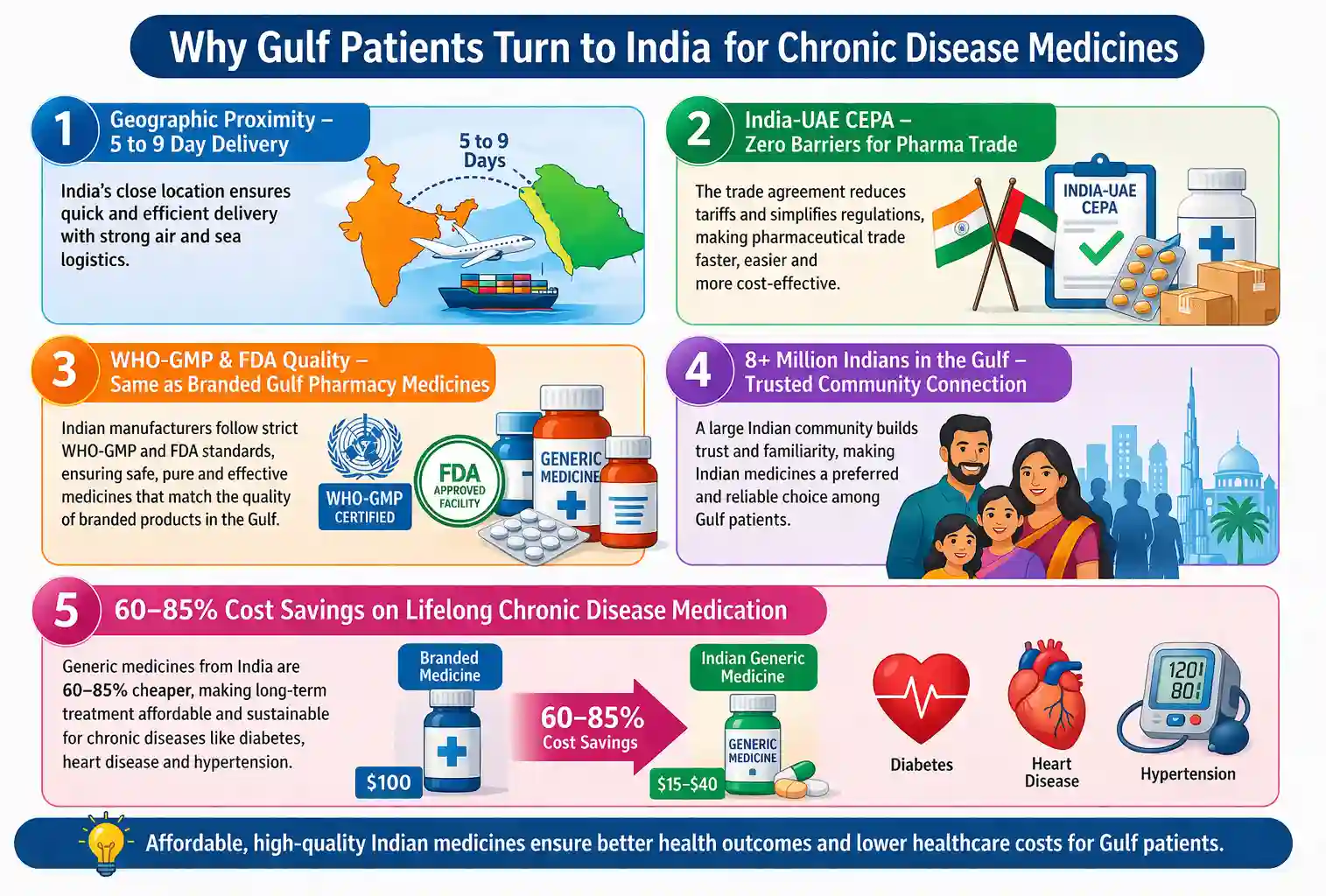
8+ Million Indians in the Gulf – Trusted Community Connection
Over 8 million Indians live in GCC countries. This strong presence connects India with the Gulf healthcare system. This large diaspora boosts the workforce and builds trust in Indian products and services.
Cultural ties, long-standing tradlationships, and word-of-mouth recommendations have strengthened confidence in Indian pharmaceuticals. Many patients in the Gulf prefer Indian medicines. They feel more at ease because these medicines are popular and trusted in their communities.
60–85% Cost Savings on Lifelong Chronic Disease Medication
Generic medicines save patients a lot of money usually between 60% and 85%. This makes long-term treatment much more affordable. Chronic diseases, like diabetes and heart issues, need ongoing medication. So, even small price differences can lead to big savings over time.
Indian pharmaceutical suppliers can provide lower costs. This is due to large-scale manufacturing and strong expertise in generic drugs. They maintain quality while doing so. This makes them a practical and sustainable option for managing lifelong conditions.
How Actiza Pharmacy Services Gulf Chronic Disease Patients
Actiza Pharmacy helps patients in the Gulf. They offer a wide range of therapies for long-term conditions like diabetes, heart disorders, and cancer care. This wide coverage helps ensure patients can access multiple treatments from a single trusted source.
The company focuses on global production practices. It meets strict quality standards. This ensures consistency, safety, and effectiveness in each batch of medicine sent to global markets.
Actiza has a strong supply chain network. This helps distribute medications quickly across GCC countries. As a result, it reduces delays and ensures patients get their regular treatments without interruption.
The company works with local healthcare providers and distribution partners. This helps make its products more available in nearby markets.
Its main goal is to make long-term treatment affordable. It offers affordable, high-quality choices for patients. These options help manage chronic diseases without causing financial stress.
Conclusion: The Gulf’s Chronic Disease Epidemic Creates Sustained, Growing Medicine Demand
Chronic diseases are now the main healthcare issue in the Gulf. This shift moves attention from short-term treatments to long-term disease management. Conditions like diabetes, heart disease, and cancer are rising. They need lifelong care, which drives the demand for medications.
As prevalence rates rise year after year, the demand for reliable and consistent medicine supply is expected to grow steadily. This pressures healthcare systems to find cost-effective treatments. They need solutions that can support many patients for a long time.
Indian pharmaceutical companies are well-placed to fill the gap. They provide high-quality, affordable medicines in large quantities. Their strong manufacturing and global compliance make them a key partner for the Gulf’s healthcare needs. Their export efficiency also plays a vital role in meeting long-term demands.
The Gulf chronic disease burden is structural, increasing and even accelerating. Rapid economic modernization, lifestyle changes, and population growth are driving this shift. There’s a rising rate of diabetes, cancer, heart issues, and obesity. In fact, obesity rates are the highest in the world and continue to rise.
With the rise of GCC diabetes, the prevalence is reaching up to 25.45% CVD, and the region is the number 1 killer. Cancer cases, however, are set to more than double by 2040, and the pharmaceutical market is growing at 7.60% CAGR towards nearly $49 billion by 2033. However, the demand for chronic in the Gulf is a trend.
India, the world’s largest pharmacy, supplies almost 20% of global generic medicine. This comes from WHO-GMP and FDA-approved facilities. This is nearly 60-85% of the lower cost, and with a delivery time of 5- 12 days to GCC countries.
Frequently Asked Questions
Q1: Is it legal to import chronic disease medicines from India to the UAE, Qatar, or Saudi Arabia?
Ans:- Yes, but it depends on each country’s regulations. Personal-use imports can be allowed in small amounts with a valid prescription. But, commercial imports must meet strict rules and licensing set by local health authorities.
Q2:- How much can a Gulf patient save on diabetes medicines from India versus local pharmacies?
Ans:- Patients can often save a lot usually 50% to 80%. This depends on the medicine, brand, and dosage. It makes long-term treatment easier to afford.
Q3:- How fast is delivery from India to the UAE, Qatar, and Saudi Arabia?
Ans:- Delivery is fast because of our close location. Most shipments arrive in 5 to 12 days. This depends on customs clearance and the shipping method.
Q4:- Can Gulf hospitals, pharma, and distributors buy wholesale from Actiza Pharmacy?
Ans:- Yes, bulk purchasing is possible through authorised channels. Hospitals and distributors can team up for large-scale supply. They just need to meet the regulatory and licensing rules in their countries.
Q5:- Why are so many Gulf patients with diabetes, heart disease, or cancer choosing Indian suppliers?
Ans:- Patients are choosing Indian suppliers more often. This is due to affordable prices, consistent quality, and a wide range of products. Reliable supply chains also play a role. These factors make long-term disease management easier and more sustainable.