


Dreams are strong mirrors of what is going on inside us. Humans usually dream to process memories and emotions. But in pregnancy, many women say that their dreams are very vivid, bizarre, or emotionally overwhelming.
These things don’t just happen by chance; they are closely linked to the amazing changes that occur in a woman’s body, mind, and hormones during pregnancy.
We dream to help our brains deal with stress, process feelings, and remember things. These needs are more important when you’re expecting.
Hormonal changes, sleep problems, and the emotional anticipation of becoming a mother all make dreams more frequent and vivid.
In this blog, discuss these vivid dreams vivid dreams, what they can signify, and how these overlapping factors might help improve sleep better.
How Dreams Change During Pregnancy
These dreams in pregnancy are often more vivid, emotional, and often scary than ones that happen when you’re not pregnant. This is mostly because of:
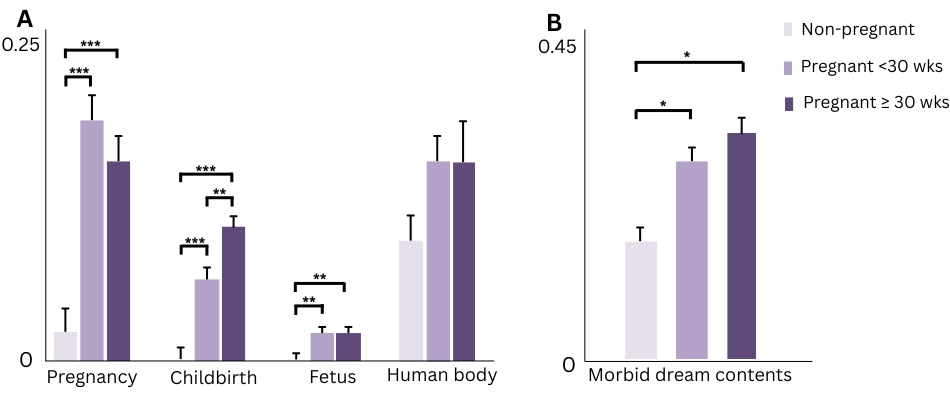
This chart shows that pregnant women, especially those who are in their third trimester (30 weeks or more), have more dreams about being pregnant, giving birth, and the baby.
They also have more dreams that are scary or disturbing than women who aren’t pregnant. As pregnancy goes on, dreams become more emotional and symbolic.
Pregnancy Dreams and emotional triggers:
Why Does Pregnancy Affect Dreams?
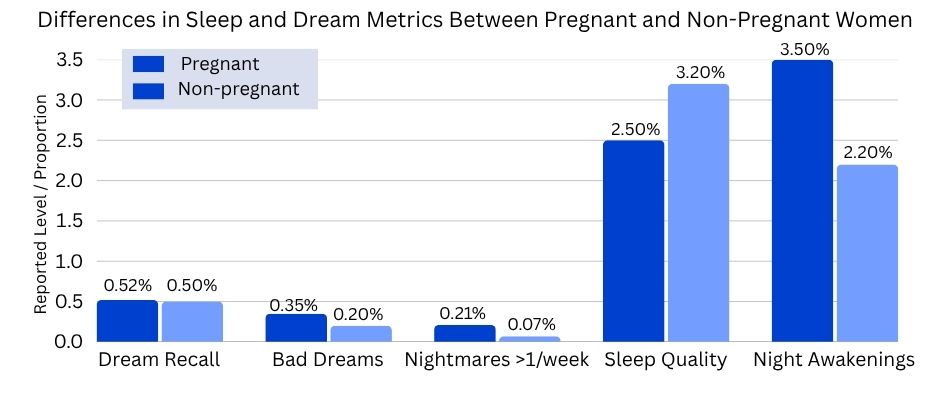
Researchers observed that women who were pregnant in their third trimester had more disturbing dreams and nightmares than women who weren’t pregnant.
About 21% of pregnant women said they had nightmares often, whereas just 7% of women who weren’t pregnant said the same thing.
These scary dreams made sleep worse and caused more awakenings at night. A lot of the time, late pregnancy leads to more bad dreams. This can have an effect on sleep health.
During pregnancy, hormones like progesterone and estrogen go up a lot. These change the chemistry of your brain, making you more emotionally sensitive and more likely to have vivid REM sleep, where vivid dreams occur.
Having to get up to pee, indigestion, or joint discomfort often might make it harder to sleep through REM sleep, when dreams are most vivid. This makes it more likely that you will remember them.
Pregnancy is a huge event in your life, and your brain utilizes dreams to deal with changes in your identity, worries, and hopes. A study shows that emotionally important things typically take over dreams amid big life changes like pregnancy.
Does Pregnancy Impact the Sleep Cycle?
Yes, pregnancy changes the way your body sleeps and the quality of your sleep.
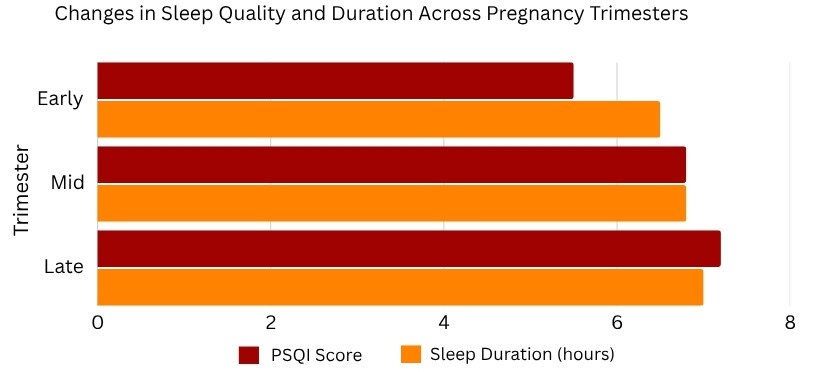
A study involving 140 pregnant females found that sleep quality gets worse throughout pregnancy. Women in the middle and late stages of pregnancy had higher PSQI scores and slept longer.
The results show that biology and lifestyle are important. Pregnant women sleep differently depending on their diet, exercise, and income level.
Dreams are most vivid during Rapid Eye Movement (REM) sleep. Pregnancy can reduce REM cycles since sleep is broken up, yet waking up often makes it easier to remember dreams.
Having to go to the bathroom, feeling baby movements, and being uncomfortable in bed all wake you up several times a night.
When you become more sensitive to physical sensations, such baby kicks or fluid shifts.This may make dreams feel much more real.
When Do Vivid Dreams Start in Pregnancy?
First Trimester
Changes in hormones occur swiftly and aggressively. They often make dreams that are emotional. Most of the time, these nightmares are about being unsure, being afraid of getting pregnant too soon, or changes in the body.
Vivid dreaming is less prevalent in the early stages of pregnancy, but longer sleep may lead to more REM sleep cycles. But just approximately 5.3% of dreams in this trimester are related to pregnancy.
Second trimester
Dreams become more emotional and significant as sleep starts to break up. Approximately 10.8% of dreams are concerning pregnancy, according to the study.
Almost 29.3% of dreams also have scary things in them. This is a clear rise compared to controls who are not pregnant. Even while the quality of sleep is greater than in the third trimester, the intensity of dreams starts to rise.
Third trimester
This is when dreams get the most vivid. About 19.5% of dreams have themes related to pregnancy, while 34.3% of dreams have morbid content.
These could include giving birth, putting the baby at risk, or strange changes to the body. More awakenings at night, whether from baby movement, discomfort, or bladder pressure, make it easier to remember dreams.
Females who are expecting in their third trimester remember more nightmares. They also feel things more strongly than women who are not pregnant or who are in the early stages of pregnancy.
Pregnancy Dreams and Sleeplessness (Medicine Section Introduction)
A lot of pregnant women say, “I’m dreaming all the time, but I can’t sleep!” Insomnia can be caused by emotional dreams and physical symptoms, which can be bad for your health.
Reasons for sleep problems:
Safe Sleep Aids for Pregnant Women:
Common Pregnancy Dreams and What They Mean
According to PMC study, it is known that some dream themes happen more often during pregnancy. In 2016, more than 11% of 406 women in their third trimester had nightmares every week.
About two-thirds of them also had baby fantasies. A study from 2018 found that women who are pregnant think about being a parent more than women who aren’t pregnant.
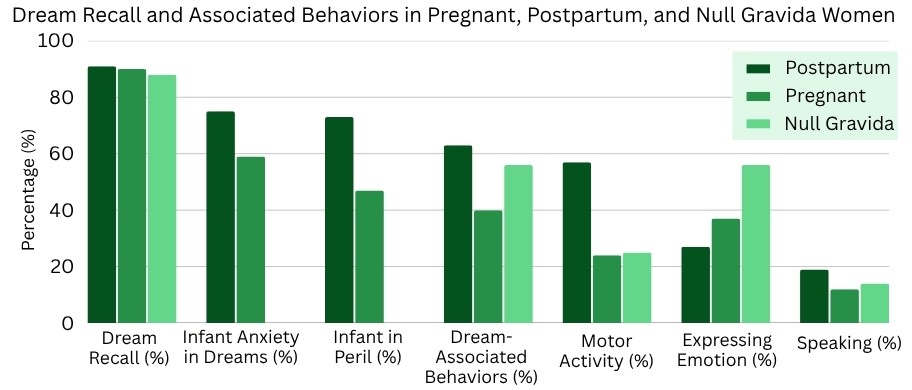
These dreams are common among young women and new mothers. This could be because of stress and emotional pressure in the first few weeks of pregnancy.
Dreams about being pregnant frequently have a lot of meaning. They depict how a lady feels and thinks about this huge transition in her life.
Some common themes are sex dreams, which are caused by hormonal changes and more blood flow; nightmares, which are often about worries of miscarriage, childbirth, or parenthood; and surreal or symbolic dreams.
They show a woman’s hopes, concerns, and shifting sense of a mother. So, they tell us about how she was feeling mentally while she was pregnant.
Types of Dreams
Dreams about sex
This happens a lot of the time, this is because to changes in hormones and blood flow. It could show a craving for closeness or sexual desires. As the sex drive increases can sometimes lead to vivid sexual dreams, including nocturnal emissions.
Bad dreams
Miscarriage, injury to the baby, or betrayal are all common themes. A study in 2016 shows that they are heightened by emotions and come in various forms. It might include the fear of losing the baby or miscarriage thoughts.
Dreams that are symbolic or surreal
Flying, drowning, or seeing animals can mean change, terror, or a mother’s intuition. Also, seeing things which may mean something deeper or unbelievable.
Should I Be Worried About Vivid Dreams During Pregnancy?
Most dreams that happen during pregnancy are benign and not harmful. But some signs point to bigger problems:
What Can You Do About Pregnancy Dreams?
You can’t control what happens in your dreams, but there are a few things you can do to deal with how they affect your sleep and health.
Meditation, deep breathing, or prenatal yoga are all ways to relax your mind before bed. Good sleep hygiene can result you in sleep better and make your nightmares less serious.
You may find improvement by going to bed and getting up at the exact time each day, spending less time in front of screens, and making your sleeping area comfortable.
Writing down your dreams as you wake up can help you understand your emotions better. It can also help you deal with worries or thoughts that keep coming back. These simple behaviours will help you sleep better while you’re pregnant.
Sleep Soundly: Tips for Better Rest
To Sum It Up
Pregnancy dreams that are very vivid are a normal way for your body to show how it is changing emotionally and physically.
They show what you’re really thinking, feeling, and hoping for as you get ready to be a mom. You’re not alone who has trouble sleeping or has scary dreams, it is more common than what you thought.
You can seek help without any hesitation. There are ways to help you sleep better and calm your mind, from changing your lifestyle to safe, doctor-approved medicines.
Always discuss with your doctor before taking any medicines or supplements while pregnant. Remember that these dreams are normal and that many other people have them too.
