


Alcohol is one of the main causes of male sexual health problems. According to research, out of every 100 men, 77 have experienced some kind of sexual problem.
The leading problem was that the men felt less pleasure (71.8%), then low sexual desire (61.5%), and erectile problems (43.6%). Men with alcohol dependence show a link to sexual dysfunction.
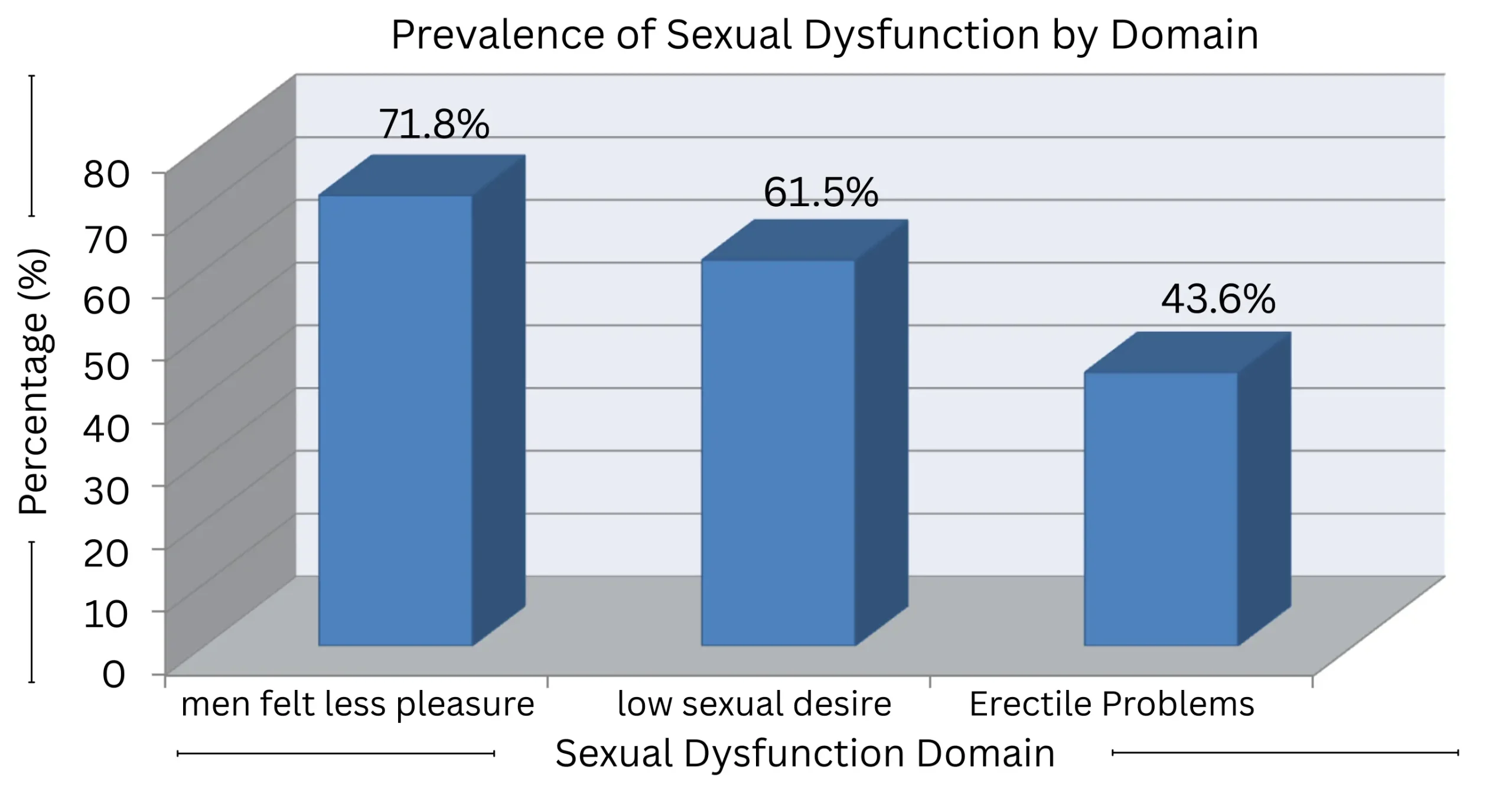
The more dependent they are, the worse their sexual function becomes. Those with heavy dependence often have impaired sexual function in nearly all areas.
Alcohol-Related Deaths in the United States
Alcohol is a major factor in many leading causes of death.
It leads to liver disease (31.08%), the biggest cause of death. Next is alcohol poisoning (14.85%), followed by suicide (10.44%), heart disease (9.18%), and other chronic causes (8.05%).
Homicide (7.86%), car crashes (7.45%), other acute causes (5.72%), and neurological disease (5.37%) follow in order.
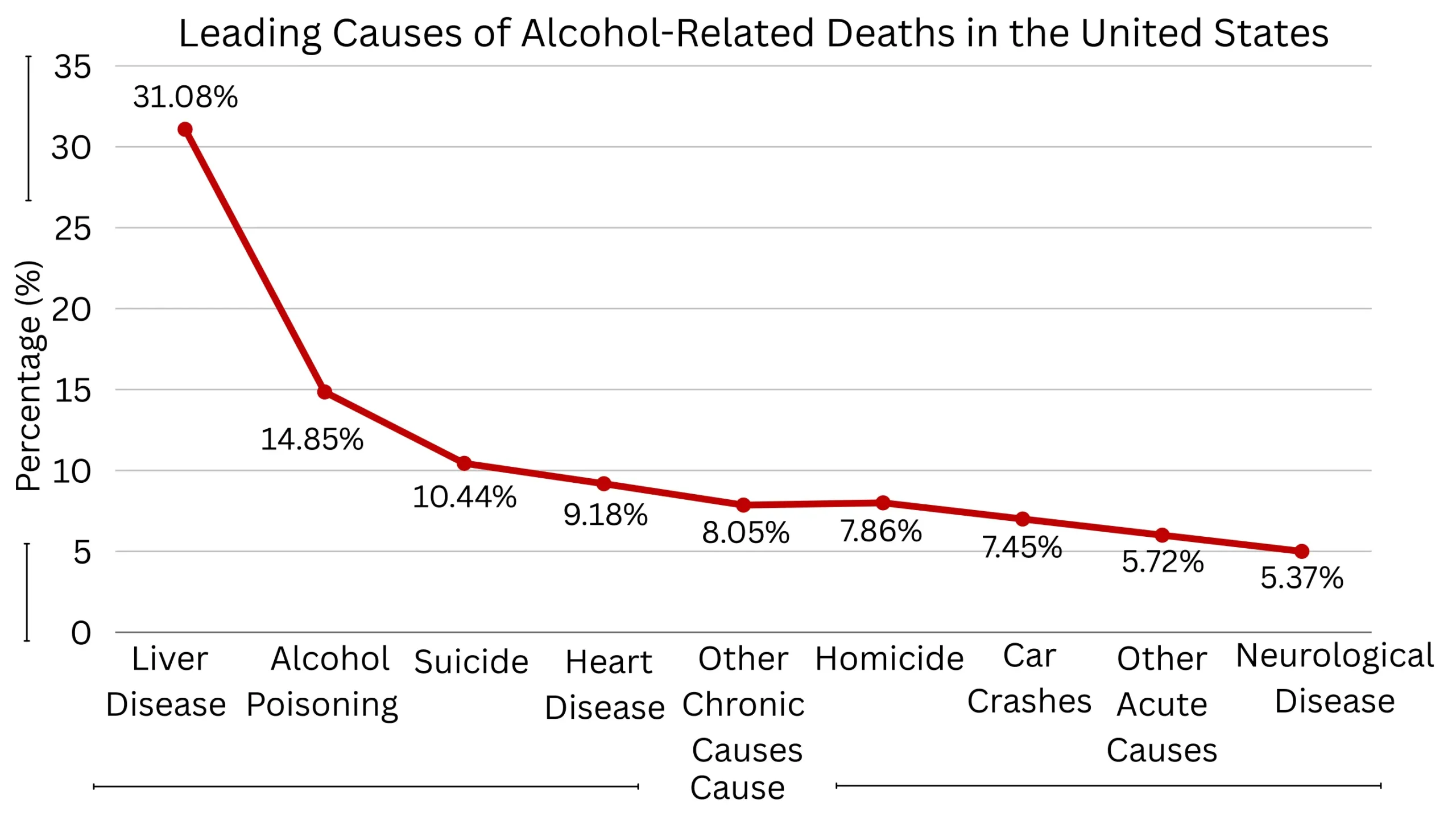
Moreover, the combination of these risks makes alcohol a leading cause of 95.2K deaths annually in the United States.
Brief overview of alcohol consumption and sexual health
Alcohol can lower sexual response. It hampers communication between the brain and body. It reduces arousal and alters hormone production.
Since these changes affect the whole process, a person can have a decreased sexual drive, difficulty in achieving an erection, an elongated time to orgasm, or reduced sensation of sexual pleasure.
In addition, heavy or long-term alcohol use can make the condition worse.
This can lead to reckless sexual behavior. Consequently, it may result in lasting sexual health and relationship problems.
Alcohol consumption among men
Alcohol is a common way for many men to socialize or relax.
Research shows that a lot of males begin drinking at a young age and often drink more heavily than females.
They face a greater chance of health issues, addiction, and different harms like injuries, stress, and sexual problems.
Men also begin to drink at an early age, with their average age of first intake being approximately 20 years.
Thus, they are more likely to become addicted, get sick, have accidents, and experience sexual health problems.
The Science Behind Alcohol and Sexual Function
Alcohol negatively affects the central nervous system, which is responsible for the control of arousal and movement.
It lowers blood flow to the penis, reduces testosterone production, and makes the nerves less sensitive. As a result, the body remains sexually unreceptive for an extended period.
Alcohol interferes with communication between the brain and the sexual organs.

This can lower libido and affect performance. Studies show that over 60% of men with alcohol addiction face sexual dysfunction. Also, heavy drinking is linked to serious health problems.
In 2019, alcohol caused 2.6 million deaths, with a majority occurring among men.
Short-Term Effects of Alcohol on Sexual Performance
Drinking alcohol changes the way the sex hormones interact with the body and brain. A little may help, but a lot will quickly reduce desire, performance, and safety.
Low to Moderate Alcohol Use
Heavy or excessive alcohol use
Usually, these symptoms fade away when the body gets rid of the alcohol.
However, if a person is a heavy and frequent drinker, what may start as temporary issues may turn into long-term sexual, emotional, and relational problems.
Long-Term Effects of Alcohol on Male Sexual Health
Long-term alcohol use impairs male sexual health. It can drop testosterone levels, harm fertility, and lead to sexual issues like erectile problems and a lower libido.
In short, long-term alcohol use can harm male sexual organs both in function and physically. So, it is crucial to practice moderation.
Psychological Impact of Alcohol on Sexual Desire
Alcohol can alter mood, self-confidence, and sex drive. In a brief period, it can be a stimulant of desire. After long use, libido often lowers, and emotional issues may arise.
Alcohol can lead to a cycle of lower sexual desire, emotional ups and downs, and dependence. This poses serious long-term risks to both sexual and mental health.
Alcohol and Relationship Dynamics
When alcohol is misused, it can damage trust, create communication barriers, and weaken the emotional ties in a relationship.
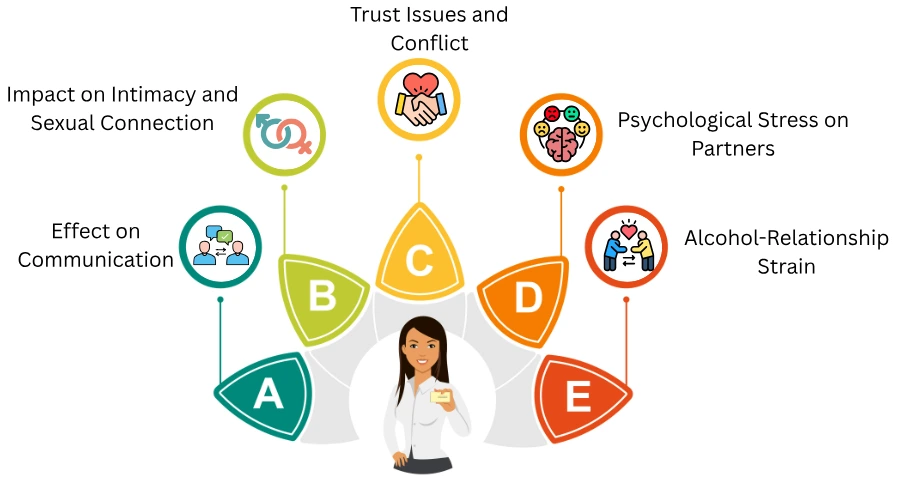
1. Effect on Communication
Drinking can change the truth, making honest talks rare or even absent. Minor disagreements might escalate into major fights, leading to more misunderstandings.
2. Impact on Intimacy and Sexual Connection
Alcohol can create distance between partners. It may harm both emotional and physical aspects of the relationship. Ultimately, partners might feel frustrated and completely detached.
3. Trust Issues and Conflict
Drinking too much alcohol can lead to broken promises and unexpected behavior. This leads to mistrust and anxiety, causing relationship conflicts.
4. Psychological Stress on Partners
Partners may feel anxious, sad, or trapped when living with someone who drinks heavily. This stress can impact both health and happiness.
5. Alcohol-Relationship Strain
Alcohol can alter family life. When roles change, personal development may stall. Couples might feel caught in a cycle of tension and issues.
Rebuilding Relationships After Alcohol Damage
Dealing with alcohol issues is difficult, but it does not necessarily have to break your relationships. Couples who get the proper help can regain trust, love, and understanding.
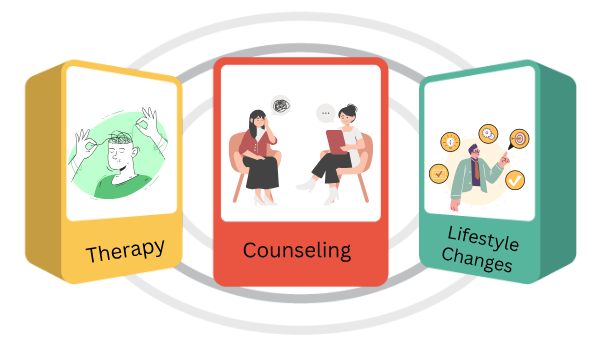
1. Therapy
Going through therapy is an excellent method to deal with hard issues in a safe setting. Lovers can utter their emotions, resolve their disputes, and grow their self-control.
2. Counseling
Counseling is an excellent method for partners struggling with alcohol issues to gain relief. It teaches them how to make a genuine apology and to trust again. By improving communication and being transparent, counselors can also deepen their bond.
3. Lifestyle Changes
Changing your everyday life can be a great factor in your recovery. Moreover, it allows you to connect with other people. Being sober, trying new habits, staying away from your triggers, and doing fun things can help you build trust .
Alcohol-Induced Erectile Dysfunction (ED): Causes and Treatment
Consuming alcohol can have a negative effect on male erections. It impacts several important areas, such as blood vessels, nerves, hormones, and brain function. It lowers nitric oxide levels, slows down brain signals, and can decrease testosterone production.
Treatment
Alcohol-related erectile issues can be treated. With meds, therapy, or healthy changes, you can restore your sex life.
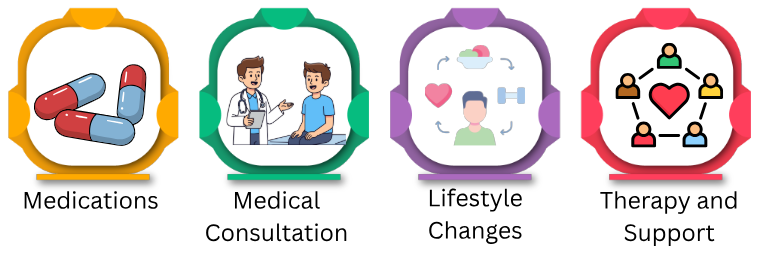
1. Medications
Cenforce 100 mg, Vidalista 80 mg, and Fildena 100 mg are potent remedies. They allow more blood flow to the penis. So, it is easier to get and keep an erection.
2. Medical Consultation
If you are planning to take any ED medicine, first talk to your doctor. They will find out the reason and provide the best treatment.
3. Lifestyle Changes
Your sex life is enjoyable and healthy when you have good habits. Blood flow, hormone levels, and energy can all be improved by exercising, eating a healthy diet, getting enough sleep, and avoiding alcohol.
4. Therapy and Support
You may be able to pinpoint the cause of your psychological or emotional problems related to ED and find a solution by discussing your feelings and thoughts with a counsellor or therapist.
How Much Alcohol Is Too Much?
A man consuming more than two alcoholic drinks a day is usually referred to as having excessive consumption of alcohol.
A “heavy drinking” situation is commonly understood as an instance where a person consumes more than four drinks per day or more than 14 drinks per week.
Binge drinking is a situation in which a person consumes more than five drinks in approximately two hours.
How Alcohol Affects Men’s Sperm?
Overconsumption of alcohol can lead to physical damage to a male’s sperm and can also alter their ability to reproduce.
Alcohol may lower testosterone and also affect other hormones that are involved in sperm production. So, the number of sperm may decrease, and sperm can weaken.
Over time, testicles may shrink, but the person usually won’t notice.
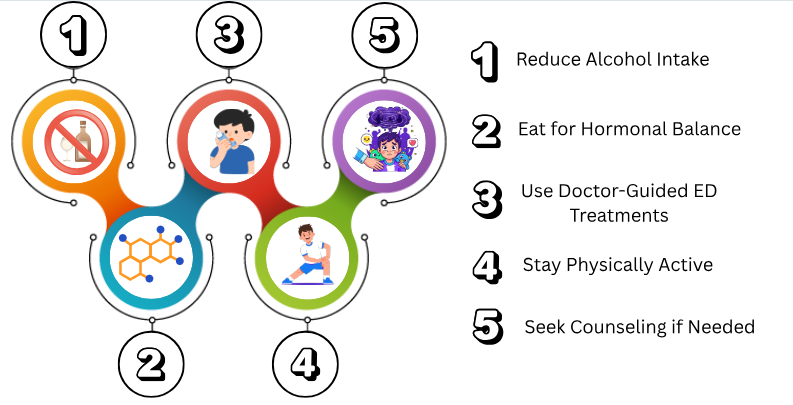
Steps to Improve Sexual Health After Alcohol Damage
Alcohol hampers male sexual health, but in most cases, the harm can be reversed. A healthy lifestyle and the right support can improve sexual function and self-confidence.
When to See a Doctor
Alcohol is known to be a major factor that leads to the deterioration of men’s sexual health.
In case of any such condition, it is highly recommended to seek medical help in time, to be able to halt the development of the disease and safely restore sexual function.
Warning Signs:
Men should consult a doctor instead of taking medicine by themselves. A doctor can find the problem, suggest safe treatments, and support recovery for better sexual health and overall wellness.
Conclusion
Alcohol is the main factor hurting male sexual health. It can lead to low sex drive, erectile dysfunction, and fertility issues.
Overdrinking may cause the body to lower hormone production and may also injure nerves and blood vessels. The healing process might be very lengthy.
Many of the dysfunction symptoms can be alleviated through making certain lifestyle changes.
Cutting down on alcohol consumption, having a nutritious diet, increasing physical activity, and attending rehab sessions can do wonders.
Men will be able to enhance their sexual health, regain their lost confidence, and become generally healthier with time.