


Erectile dysfunction is common, and it can feel very upsetting. It can affect confidence, relationships, and day-to-day life.
Many people also worry that it means something is “wrong” with them. Most of the time, ED is not about love or attraction. It is often linked to health and lifestyle factors that we can improve over time.
ED is often tied to blood flow, heart health, stress, sleep, and daily habits. This is where diet matters. The food you eat can support better blood vessel health.
It can also help with weight, blood sugar, cholesterol, and inflammation. These are all linked to erections.
Food is not a replacement for medical care. If ED is caused by a health condition, side effects from medicine, or hormone issues, you may need help from a healthcare professional.
Still, diet can support your body in a big way. It can help the systems that play a role in erections, such as blood vessels, nitric oxide, inflammation control, cholesterol balance, body weight, and blood sugar control.
What Is Erectile Dysfunction?
Erectile dysfunction is when a person has trouble getting or keeping an erection firm enough for sex. This does not mean the person is not attracted to their partner.
It also does not mean they have “failed.” ED usually means something is getting in the way of the body systems that support erections. These systems include blood flow, nerves, hormones, and mental state.
It also helps to know the difference between occasional trouble and ongoing ED. Many men have issues at times. Common reasons are tiredness, stress, too much alcohol, or pressure to “perform.” This can happen to anyone.
Chronic ED is different. It means the problem happens again and again, over a longer time. It can start to affect confidence, mood, and relationships.
When ED becomes frequent, it can be a sign to check your health. This is important for heart and blood vessel health, blood sugar control, and lifestyle risks like smoking, low activity, or poor sleep.
ED is more common as men get older, but it is not only an “older man” problem. Younger men can have ED too. In younger men, stress, anxiety, smoking, sleep problems, weight gain, and early heart risk can play a role.
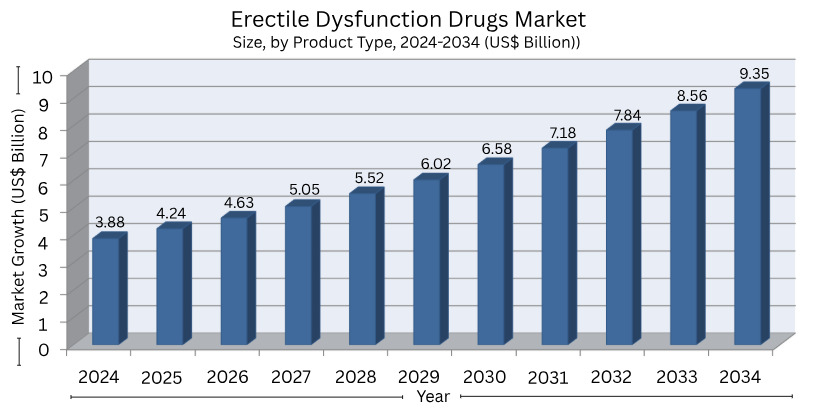
ED is also a growing global health topic. A report by Market.us shows how large the treatment market has become. It projects that the ED drug market will grow from US$3.88 billion in 2024 to US$9.35 billion in 2034, at a 9.2% annual growth rate. This shows how common ED concerns are, and how many people look for help.
What Causes Erectile Dysfunction?
ED often has more than one cause. Some causes are physical. Some are mental. Many people have a mix of both.
One major cause is poor blood circulation. An erection depends on strong blood flow into the penis. It also needs blood vessels that can relax and widen when needed.
If blood flow is reduced, erections can become weak or hard to keep. High blood pressure and artery narrowing (atherosclerosis) can limit blood flow. Blood vessel problems can also cause ED.
Health conditions can also raise ED risk. Heart disease is linked to narrowed blood vessels and lower blood flow. Diabetes can damage nerves and blood vessels over time.
Obesity is linked to inflammation and insulin resistance, which can harm circulation. All of these issues can make erections harder to get and maintain.
Hormones can also play a role. Low testosterone can affect sex drive and sexual function. Thyroid problems or high prolactin can also affect sexual health. Testosterone is not the only hormone involved, but it supports sex drive, mood, energy, and sexual function.
Mental health matters too. Stress and anxiety can affect the brain-body signals needed for an erection. Depression can lower desire and energy. Performance worry can also create a cycle where fear of ED makes ED more likely.
Lifestyle habits are also important. Smoking can damage blood vessels. Too much alcohol can affect hormones and nerves. Lack of exercise can reduce heart fitness and blood flow. Some medicines can also cause ED as a side effect.
Can Food Affect Erectile Dysfunction?
Yes, food can influence erections because erections are tightly connected to blood flow and vessel health. An erection requires the blood vessels to relax and widen so blood can enter and stay in the tissues.
A key player in this process is nitric oxide, a molecule the body uses to relax blood vessels and improve circulation.
Diet affects nitric oxide pathways in two major ways:
(1) foods rich in dietary nitrates can support nitric oxide availability, and
(2) foods that support endothelial health (like those rich in polyphenols and healthy fats) may improve vascular function over time.
Food also affects ED through inflammation and cholesterol. Highly processed diets can increase inflammation and worsen lipid profiles, raising the risk of plaque buildup in arteries. Since the penile arteries are relatively small, circulation changes can show up there earlier.
In a study of men aged 18 to 40 years, ED was measured using the International Index of Erectile Function (IIEF).
Men without ED were placed in the control group with IIEF ≥ 26 (n = 264), and men with ED were placed in the ED group with IIEF < 26 (n = 86). The results showed that men with ED reported a lower intake of total flavonoids and flavonoid subtypes.
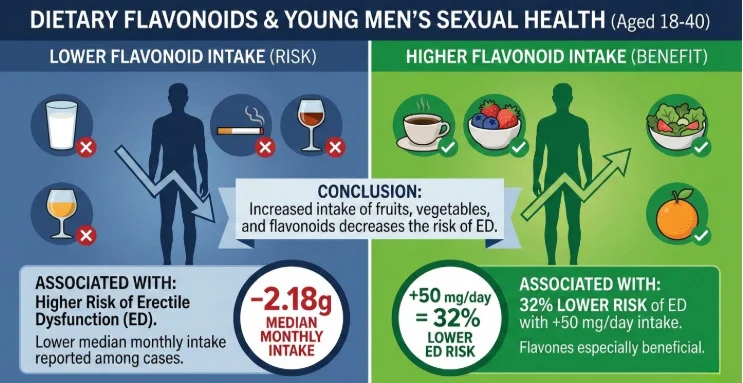
Most importantly, after adjusting for age and body mass index, the study reported that a flavonoid intake of 50 mg/day was linked with a 32% lower risk of ED, with an odds ratio of 0.68 (95% CI 0.55–0.85, P < .001) (PubMed: 29325831).
This does not mean food “cures” ED instantly, but it supports the idea that diet can lower risk by supporting blood flow and vascular health over time.
Best Foods for Erectile Dysfunction
Nitrate-Rich Vegetables (Blood Flow Boosters)
Nitrate-rich vegetables can support blood flow because nitrates can convert into nitric oxide. Nitric oxide helps relax and widen blood vessels. Better vessel function can support erections over time.
Examples include spinach, lettuce, and beetroot. These foods also provide fibre, potassium, magnesium, and antioxidants. These nutrients can support heart health and healthy blood pressure, which are linked to erectile function.
A simple tip is to eat them often, not just once. Try a daily salad, add spinach to meals, or blend beetroot into a smoothie. Small daily changes can be easier to follow than strict diets.
Fruits That Improve Erection
Fruits may help erectile health because they provide antioxidants and plant nutrients. These can support circulation and reduce inflammation.
Watermelon is often linked to citrulline, which is involved in nitric oxide pathways. Apples and berries are known for their flavonoids, which are linked to benefits for blood vessels.
Research on flavonoids is helpful here. One summary reports a 10-year study of 25,096 middle-aged men. It found that men who ate the most flavonoids had a 9% to 11% lower risk of ED than men who ate less.
It also reported that ED risk may drop by up to 19% in men who ate flavonoid-rich fruits like strawberries, blueberries, apples, pears, and citrus fruits.
This does not mean fruit “cures” ED right away. It suggests that steady fruit intake may help support long-term erectile health by supporting blood vessel function. A realistic goal is 1 to 2 fruit servings per day, with berries a few times a week if you can.
Healthy Fats & Fatty Fish
Healthy fats matter because erectile health is closely tied to heart health. Good circulation supports erections. Omega-3 fats are often linked to heart and blood vessel support. Salmon is a well-known omega-3 source.
One 2023 animal study (rats) looked at omega-3 intake, environmental pollutants, and ED. It reported that higher omega-3 intake may help reduce sexual dysfunction linked to pollutant exposure.
Animal studies do not prove the same results in humans, but they support the idea that omega-3 fats may protect vascular and reproductive health under stress.
Olive oil is another key healthy fat, especially in Mediterranean-style eating. A discussion noted that the Mediterranean diet may help prevent and improve ED, and it highlighted virgin and extra-virgin olive oil as helpful choices. Refining can reduce the levels of some protective compounds, so extra-virgin is often preferred.
Avocado also provides healthy unsaturated fats and fits well in a heart-friendly diet. The key is balance. Use healthy fats to replace processed fats, not to add many extra calories.
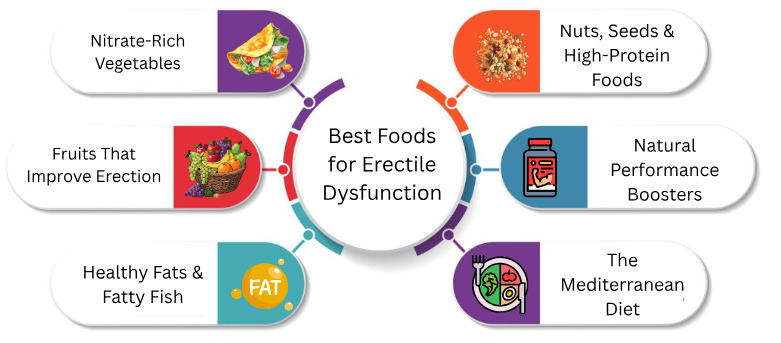
Nuts, Seeds & High-Protein Foods
Nuts, seeds, legumes, and protein foods can support erectile health in several ways. They provide healthy fats, fibre, and minerals, such as zinc.
They can also help support steady blood sugar. This matters because insulin resistance and diabetes are linked to ED.
One review-focused source suggests that eating nuts and legumes may help lower ED risk, and that regular nut intake may support erectile and sexual function. These foods are also filling, which can help with weight control.
Protein foods matter for another reason: L-arginine. L-arginine is an amino acid that the body uses to make nitric oxide.
A systematic review and meta-analysis discussed L-arginine as a possible support for mild to moderate ED. Foods that can provide L-arginine include poultry, fish, nuts, and dairy.
You do not need extreme protein intake. Balanced meals are best. If you eat meat, try lean meat and poultry more often. Limit processed meats when possible. If you are a vegetarian, legumes, nuts, and seeds can cover many of these needs.
Natural Performance Boosters
Some foods are often called “natural boosters.” The evidence is usually mild, but they may help as part of a heart-healthy diet.
Dark chocolate (especially with higher cocoa) contains flavanols, which are linked to blood vessel support in wider health discussions. Garlic is also often linked to circulation support as part of heart-friendly eating.
Coffee is another common question. Many people worry that coffee harms erections. A 2018 study found that long-term coffee intake was not linked to higher ED risk.
It suggested that coffee antioxidants may support lower inflammation when used in moderation. The keyword is moderation. Too much coffee can worsen anxiety and sleep, which can hurt sexual function.
The Mediterranean Diet
Instead of focusing on one food, the Mediterranean diet focuses on a full eating pattern. It includes vegetables, fruits, whole grains, legumes, fish, and healthy fats like olive oil.
This pattern supports heart health, blood pressure, cholesterol, and inflammation control. These are all linked to erectile function.
This pattern may lower ED risk mainly because it supports vascular health and metabolic health. It is also easier to follow long-term because it is flexible and food-based, not a strict short-term plan.
Worst Foods for Erectile Dysfunction
Sugary Foods & Soft Drinks
High-sugar diets can worsen insulin resistance and increase the risk of type 2 diabetes, both of which are closely associated with ED.
Sugary soft drinks can also encourage weight gain and inflammation over time.
If you want a simple swap, replacing sugary drinks with water, sparkling water, or unsweetened tea is one of the fastest “wins” for long-term metabolic health.
Fried & Processed Foods
Fried foods and ultra-processed snacks tend to be high in unhealthy fats, salt, and calories while being low in protective nutrients.
These patterns are linked to inflammation, weight gain, and poorer cardiovascular health, which can reduce blood flow and worsen ED risk over time.
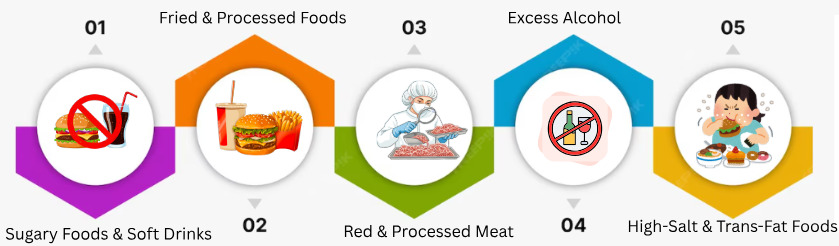
Red & Processed Meat
Red meat in moderation can fit a balanced diet, but processed meats are more concerning because they often come with high sodium, preservatives, and saturated fats.
Diet patterns high in saturated fat can contribute to cholesterol buildup and reduced blood vessel function.
If you eat meat regularly, shifting toward fish, legumes, and lean poultry more often is generally a more erection-friendly pattern.
Excess Alcohol
Alcohol can lower inhibitions short-term, but excessive intake can suppress the nervous system, disrupt sleep, affect hormones, and worsen mood.
Over time, heavy drinking is associated with sexual dysfunction and poorer overall health. Moderate drinking (or reducing alcohol) is often an underrated step for improving sexual performance and consistency.
High-Salt & Trans-Fat Foods
High-salt diets can worsen blood pressure control, and trans fats are widely known for damaging cardiovascular health.
Since erections depend on strong circulation, anything that harms blood pressure and vessel flexibility can raise ED risk. Many packaged snacks, fast foods, and baked goods are common sources.
Foods That Affect Testosterone Levels
Testosterone is not the only factor in ED, but it matters for libido, energy, and sexual function. A balanced diet that supports healthy body weight and metabolic health helps maintain a healthier hormone balance overall.
Foods that may indirectly support testosterone include eggs, nuts, and fish, as they provide protein, healthy fats, and key micronutrients that support overall hormonal function.
On the other hand, diets high in ultra-processed foods, excess sugar, and heavy alcohol intake may worsen weight gain and metabolic health, potentially negatively affecting hormone balance over time.
The main takeaway is to avoid extremes. Testosterone is best supported by overall health: stable sleep, strength training, healthy body composition, and balanced nutrition, not by chasing “testosterone foods” obsessively.
Sample ED-Friendly Diet Plan
Breakfast ideas:
For breakfast, choose a meal that gives steady energy. Oats with berries and a small handful of nuts is one easy option.
This adds fibre and flavonoids in a simple way. If you prefer eggs, you can pair eggs with leafy greens like spinach and have whole-grain toast on the side.
If you drink coffee, keep it moderate, since long-term coffee intake has not been linked to higher ED risk in one study, and antioxidants may help balance inflammation.
Lunch options:
For lunch, aim for a “plate method” style meal. Start with a large salad or cooked vegetables. Add a protein source, such as fish, chicken, or legumes.
Use extra-virgin olive oil as part of the dressing or meal, since it fits well in a Mediterranean-style eating pattern.
Dinner suggestions:
Keep it lighter than lunch when possible. Build your meal around vegetables, then add a whole grain and a lean protein source. If you want healthy fat, add a small amount of olive oil or avocado rather than fried foods.
Healthy snacks:
For snacks, choose foods that support steady blood sugar and avoid sugar spikes.
A small portion of mixed nuts, yogurt, or fruit is a simple choice.
For drinks, water should be your main option. Cutting down on sugary soft drinks helps lower diabetes risk, and diabetes is strongly linked to ED.
Hydration tips:
Keep water as your main drink throughout the day. This supports overall circulation and helps your body work smoothly.
Try to drink water regularly, rather than waiting until you feel very thirsty.
Limit sugary soft drinks and energy drinks, because high sugar intake can worsen insulin resistance over time, and diabetes risk is strongly linked to ED.
If you want more flavour, try plain sparkling water or water with lemon instead of sweet drinks.
Lifestyle Factors That Enhance Erectile Health
Diet works best when paired with lifestyle changes that improve blood flow and nervous system function. Regular physical activity supports cardiovascular health and endothelial function.
Weight management reduces inflammation and improves metabolic markers linked to ED.
Stress reduction matters because stress activates hormones that can interfere with sexual response and worsen performance anxiety.
Sleep quality also affects mood, hormones, and energy levels, so improving sleep can indirectly improve sexual function.
Quitting smoking is one of the strongest vascular-health decisions because smoking damages blood vessels and circulation.
Think of erections as a health “report card” for circulation, stress, and lifestyle. Improving the basics often improves sexual health too.
When Diet Alone Is Not Enough
Sometimes ED is linked to medical problems that need treatment. This includes diabetes, heart disease, hormone disorders, and medication side effects. In these cases, diet supports health, but it may not remove the cause on its own.
Many people search online for ED medicines using terms like Cenforce 200, Fildena 100, Kamagra Oral Jelly, Vidalista 20, and Tadalista 60 mg.
These terms are often linked to prescription ED treatment. If someone is thinking about medication, it is safest to speak with a healthcare professional.
This helps confirm the cause of ED and avoid unsafe drug interactions, especially with heart medicines.
Myths About Food and Erectile Dysfunction
“One food can cure ED” is a myth. ED is usually multi-factorial, so improvement usually comes from consistent habits, not a single ingredient.
“Supplements work instantly” is also misleading. Some nutrients (like those related to nitric oxide pathways) can support vascular health, but they do not override unmanaged diabetes, high blood pressure, or severe stress.
“Only older men get ED” is false. Younger men can experience ED too, often driven by stress, lifestyle factors, and early metabolic risk.
“Diet doesn’t matter” is also incorrect. Diet influences blood flow, inflammation, cholesterol, and blood sugar, all of which are linked to erectile function.
Conclusion
ED is often linked to blood flow, heart health, metabolism, and stress. Foods that support blood vessels over time are often the best choices.
These include nitrate-rich vegetables, flavonoid-rich fruits like berries and apples, omega-3 sources like salmon, extra-virgin olive oil, nuts, legumes, and Mediterranean-style eating.
On the other side, diets high in sugary drinks, fried foods, processed foods, processed meats, and heavy alcohol can worsen blood sugar control, inflammation, and circulation. Over time, this can raise ED risk.
Focus on long-term habits, not quick fixes. If ED continues, treat it as a reason to check overall health and get support. Some people also look into medicine options such as Vidalista 20, but it is safest to speak with a healthcare professional first to choose the proper treatment.
Frequently Asked Questions (FAQ)
Q1.Can food really reverse erectile dysfunction?
Ans: Food can support better blood flow and lower inflammation. It can also help with cholesterol and blood sugar control. This may reduce symptoms over time for some people. But if ED is caused by a medical condition or medication side effects, diet alone may not fully reverse it.
Q2. How long does diet take to improve ED?
Ans: Diet changes are not instant. Many people notice gradual changes over weeks or months. The timing depends on the cause of ED and how steady the habits are. Consistency matters most.
Q3. Are vegetarian diets good for ED?
Ans: Yes, they can be. A balanced vegetarian diet with legumes, nuts, seeds, fruits, vegetables, and whole grains can support blood vessel health and lower inflammation. It can also support healthy weight and blood sugar control.
Q4. Is coffee good or bad for ED?
Ans: Moderate coffee is usually not linked to higher ED risk. A 2018 study found long-term coffee intake was not linked to ED risk, and it may help with inflammation due to antioxidants when used in moderation. If coffee worsens anxiety or sleep, cutting back can help. Some people who search for solutions also come across products like Kamagra Oral Jelly, but medical advice is still the safest step before using any ED medicine.